On Wednesday, September 23, 2026, the Jordanian dinar experienced a decline against the Egyptian pound, with a drop of approximately 14 piasters in the Central Bank of Egypt. This change occurred amidst moderate demand from investors and companies dealing with the Jordanian currency. The Central Bank of Egypt's exchange rate for the Jordanian dinar was recorded at 72.33 pounds for buying and 72.73 pounds for selling.
In major Egyptian banks, the exchange rates for the Jordanian dinar varied. The National Bank of Egypt listed the buying price at 71.62 pounds and the selling price at 72.68 pounds. Meanwhile, Bank of Egypt offered a buying price of 71.99 pounds and a selling price of 72.69 pounds. These rates reflect the current market dynamics and the banks' pricing strategies.
The Jordanian dinar, denoted by the symbol JOD, is the official currency of the Hashemite Kingdom of Jordan. Introduced in 1950, it replaced the British Palestinian pound and has since become a symbol of Jordan's financial stability and economic resilience. The currency is known for its stability against foreign currencies, which is attributed to Jordan's robust economy and prudent financial policies.
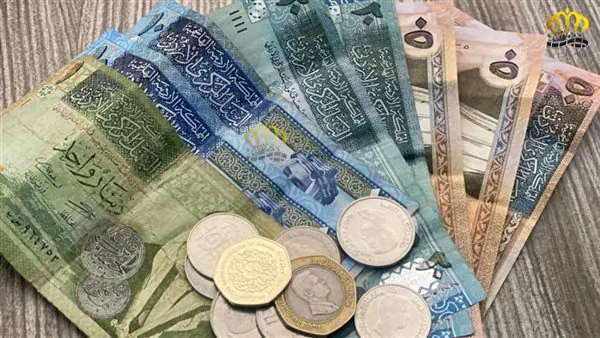
The Jordanian dinar is available in various denominations of banknotes and coins. The banknotes include 1, 5, 10, 20, and 50 dinars, each featuring distinct national and cultural motifs. The coins are minted in denominations of 1 dinar, 0.5 dinar, and 0.25 dinar, made from metals such as nickel and copper. These currency designs incorporate advanced security features to prevent counterfeiting and enhance trust in the currency.
The Jordanian dinar is considered one of the strong and stable Arab currencies, widely used in local and international transactions. Its stability is supported by Jordan's thriving economy, significant tourism sector, and reliable financial policies. The currency's presence is prominent in regional stock exchanges, and it is favored by investors seeking a secure asset.
Several factors influence the exchange rate of the Jordanian dinar, including demand from local and international investors and companies, fluctuations in other foreign currencies, the overall stability of Jordan's economy, and the monetary policies implemented by the Central Bank of Jordan. These elements collectively contribute to the dinar's value and stability in the foreign exchange market.
Economic experts anticipate that the Jordanian dinar will maintain its stability against the Egyptian pound in the coming period, with potential minor fluctuations due to changes in demand and global economic trends. The dinar is regarded as a safe option for investors seeking relative stability and reduced financial risks, particularly for companies engaged in foreign trade.
Key points
- The Jordanian dinar declined by around 14 piasters against the Egyptian pound on Wednesday, September 23, 2026.
- The exchange rates for the Jordanian dinar in major Egyptian banks ranged from 71.62 to 72.69 pounds.
- The Jordanian dinar is known for its stability and is considered a safe option for investors due to Jordan's robust economy and prudent financial policies.