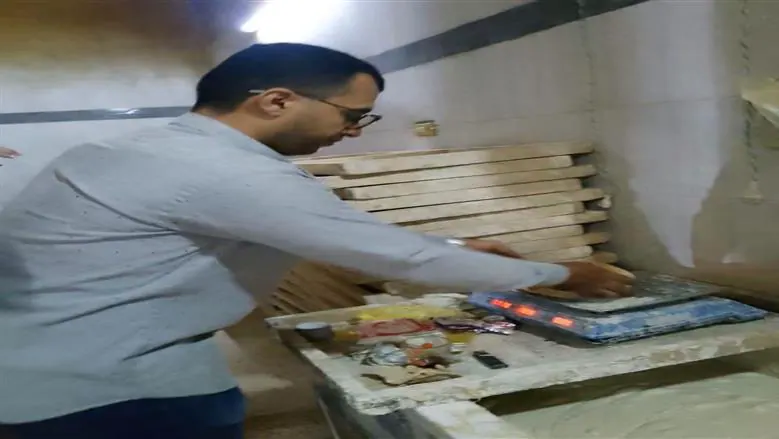
Egyptian authorities have launched a series of intensive campaigns targeting bakeries, markets, and commercial establishments in the Minya governorate. The campaigns, led by Governor Imad Kaddwani, aim to ensure compliance with subsidy regulations and food safety standards. The governor emphasized the importance of monitoring the quality and safety of goods and products in circulation, and taking decisive action against those who attempt to manipulate subsidized or strategic goods.
The Ministry of Supply and Internal Trade's Minya branch reported that a total of 272 various violations were uncovered during the campaigns. The violations included the sale of goods of unknown origin, expired or spoiled products, and attempts to hoard subsidized goods. Authorities also seized large quantities of goods, including cement, flour, animal feed, and beverages, which were being sold without proper documentation or licenses.
In a significant breakthrough, authorities seized four sacks of subsidized flour that were being sold on the black market. The seizures were made as part of efforts to combat the trade of subsidized goods. The authorities took legal action against those involved, in accordance with Egyptian law. The campaigns also targeted bakeries, where 174 violations were uncovered, including the production of bread that was underweight or did not meet quality standards.
The bakery-related violations included cases of selling subsidized flour for profit, closure without prior notice, and failure to display instructions or maintain cleanliness. Authorities also found instances of bakeries not providing customers with receipts for bread purchases, and not keeping records of inspections. These actions are part of a broader effort to ensure that bakeries operate transparently and in compliance with regulations.
In the markets and commercial establishments, authorities issued 54 citations, including 13 for selling goods of unknown origin. The seized goods included 3 tons of cement, 0.5 tons of free-market flour, 250 kg of animal feed, and 118 cartons of fizzy drinks. Additionally, authorities found cases of expired or spoiled goods being sold, and instances of butchering outside of authorized facilities.
The campaigns also targeted subsidized goods distribution points and retailers, where 21 violations were uncovered. These included instances of closure without notice, failure to display subsidized goods, and not issuing receipts for subsidized goods. Authorities took action against those responsible, in accordance with Egyptian law.
The Egyptian government has intensified its efforts to monitor and regulate markets, bakeries, and commercial establishments, in a bid to protect consumer rights and maintain food safety standards. The campaigns are part of a broader strategy to ensure that goods and services are provided in a fair and transparent manner.
Key points
- Authorities uncovered 272 various violations in a crackdown on bakeries and markets in Minya governorate.
- The campaigns targeted subsidized goods, food safety, and compliance with regulations.
- Authorities seized large quantities of goods, including cement, flour, and animal feed, being sold without proper documentation or licenses.