In a recent move to address the growing concern over students' literacy skills, the Director-General of the Najc Hamadi Educational Administration in Qena, Egypt, has ordered an investigation into the administrators of six schools. This decision comes after a series of evaluations revealed that students in these schools were struggling with basic reading and writing skills. The schools under scrutiny include the Sharkia Sugar Primary School, Al-Sawamica Primary School, Saint George Primary School, Saint George Preparatory School, Al-Darb Primary School, and Al-Mahatta Primary School.
The investigation, led by Muhammad Yousif Al-Zaqim, aims to hold accountable those responsible for the shortcomings in the education system. Along with school administrators, Arabic language supervisors and teachers are also being probed for their role in the literacy crisis. This move is part of a broader effort to enhance the quality of education and ensure that students receive a solid foundation in reading and writing.
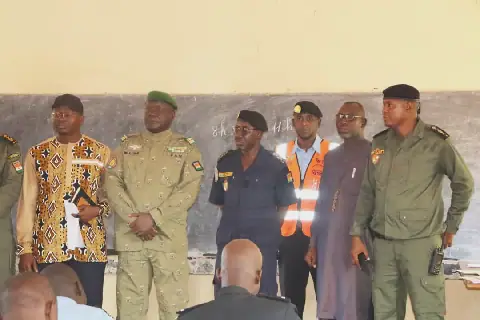
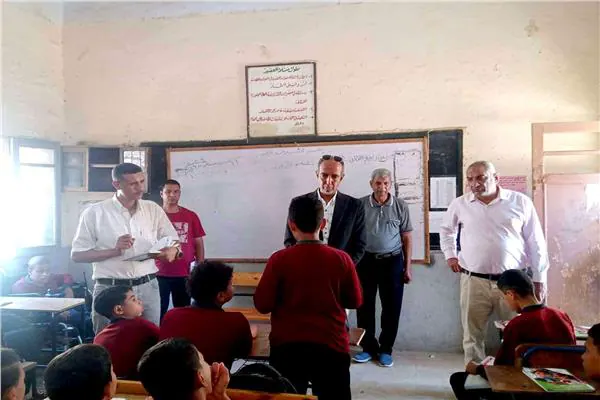
The evaluations that led to this decision involved on-site visits by educational officials, who assessed students' reading and writing abilities. These assessments revealed a significant decline in literacy skills among students in the aforementioned schools. The Director-General emphasized that improving literacy rates and monitoring students' academic progress are top priorities for the administration.
The crisis has prompted the educational administration to take immediate action to rectify the situation. By investigating the administrators and teachers, the authorities aim to identify areas of weakness and implement measures to prevent such shortcomings in the future. This proactive approach underscores the administration's commitment to providing quality education.
The Director-General has stressed that there will be no leniency towards any negligence that affects students' futures. He highlighted the importance of discipline and adherence to school schedules, emphasizing that these are crucial elements in achieving academic success. Furthermore, he called for accurate recording of student attendance and strict application of the educational motivation and discipline regulations.
These actions are being taken in line with directives from Tarek Mohamed Saad Eddin, the Deputy Minister of Education in Qena. He has urged educational officials to be more present in schools to monitor the educational environment and address any emerging issues promptly. The goal is to ensure that the educational process proceeds smoothly across all academic levels.
The ongoing investigations and proposed measures reflect a broader effort to reform and improve Egypt's education system. By addressing the root causes of the literacy crisis and holding accountable those responsible, the authorities hope to create a more effective and supportive learning environment for all students.
Key points
- The Egyptian educational administration is taking steps to address a significant literacy crisis among students in several schools in Qena.
- Six school administrators and Arabic language teachers have been referred for investigation due to students' poor reading and writing skills.
- The move aims to enhance the quality of education and hold accountable those responsible for shortcomings in the education system.