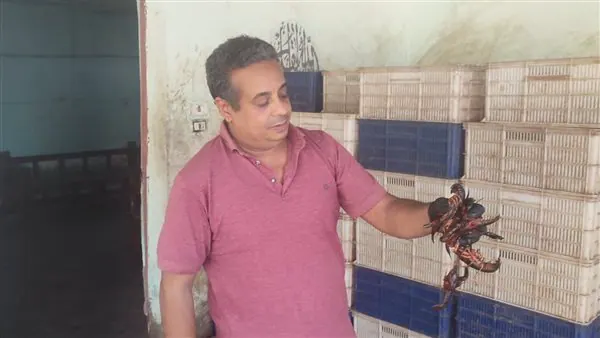
In a successful operation, Egyptian water police in Qena province have thwarted an attempt to smuggle 1100 kilograms of Nile crayfish that were unfit for human consumption. The incident occurred on September 24, 2026, when officers set up a checkpoint in Qena province and stopped a truck carrying the crustaceans, which were destined for Cairo.
The Qena water police were conducting a food commodity campaign when they made the seizure. Following the interception, the authorities took legal action and informed the public prosecutor, who decided to form a committee comprising representatives from the veterinary medicine department, the health department, and the device for protection and development of lakes and fisheries to examine the seized crayfish and determine their suitability for consumption.
A committee led by a Qena veterinary medicine department inspector examined the seized Nile crayfish. After conducting the necessary tests, the committee concluded that the crustaceans were not fit for human consumption. Consequently, the authorities ordered the destruction of the crayfish in accordance with established procedures.
The committee's findings were documented and submitted to the public prosecutor as part of the legal proceedings. The Egyptian authorities have been cracking down on food safety and smuggling in recent times, with a focus on protecting public health. The incident highlights the efforts of law enforcement agencies in preventing the distribution of unsafe food products.
The Nile crayfish, also known as the Nile clawed crayfish, is a freshwater crustacean native to Egypt and other parts of Africa. While it is a common food source in some regions, the seized crayfish were deemed unfit for consumption due to unknown factors. Further details about the specific reasons for their unsuitability were not disclosed.
The successful operation by the Qena water police and the subsequent destruction of the unfit crayfish demonstrate the commitment of Egyptian authorities to ensuring food safety and preventing the smuggling of hazardous goods. The incident serves as a reminder of the importance of vigilance in protecting public health and preventing the distribution of unsafe food products.
The Egyptian government has implemented various measures to enhance food safety and prevent smuggling, including increased monitoring of food imports and exports. The authorities have also been working to raise awareness about the risks associated with consuming unsafe food products and the importance of reporting suspicious activities.
Key points
- Egyptian authorities intercepted 1100kg of unfit Nile crayfish bound for Cairo.
- A committee was formed to examine the seized crayfish and determine their suitability for consumption.
- The authorities ordered the destruction of the crayfish in accordance with established procedures.