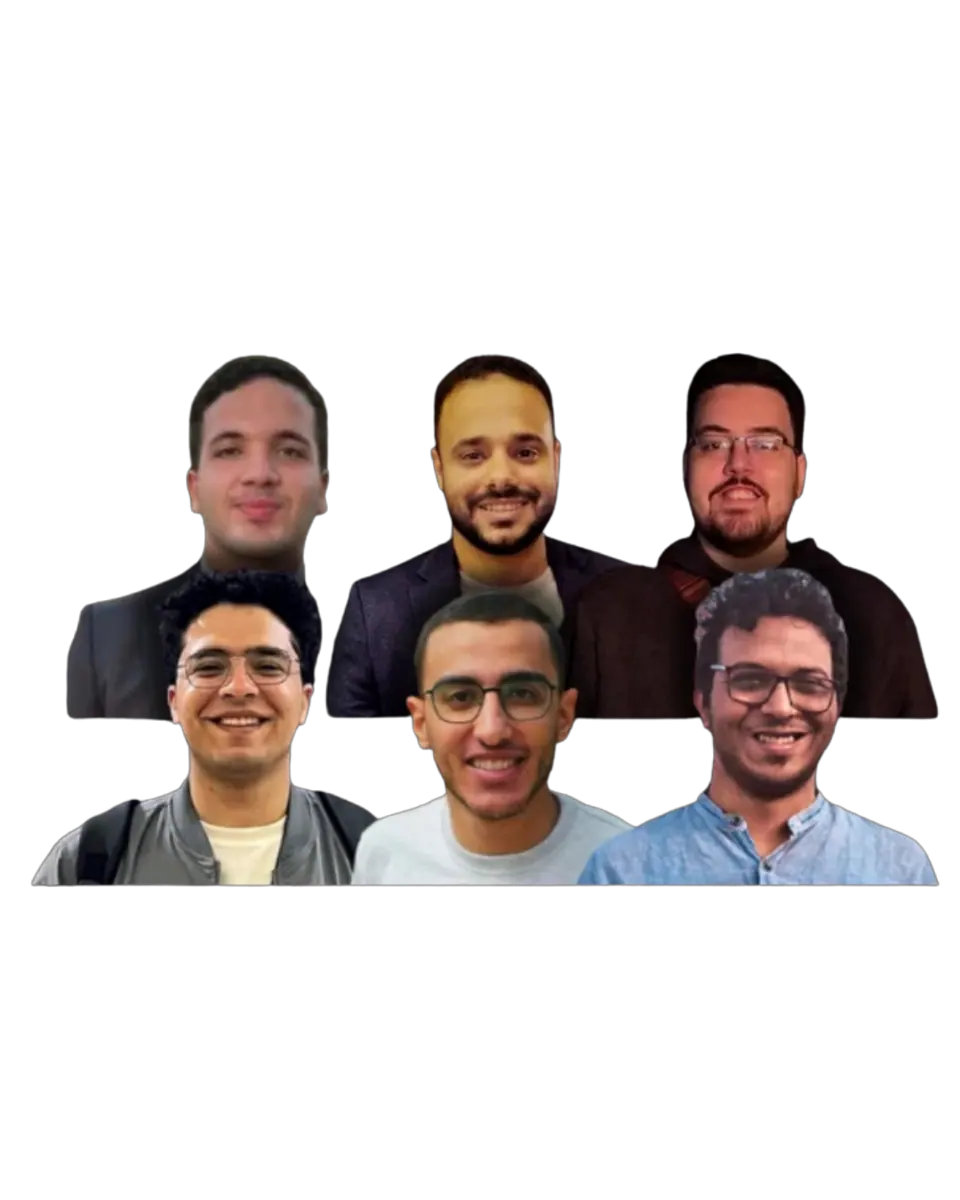
On October 1, 2026, the Egyptian authorities launched a crackdown on journalists from the "Metsadekesh" platform, arresting six individuals. According to reports from the "Al-Masry Al-Youm" website, the arrests were made by the State Security Prosecution, which allegedly ordered the detention of the journalists for 15 days pending investigation. The move has sparked concerns over press freedom in Egypt and raised questions about the government's tolerance for critical media outlets.
The journalists arrested include Abdullah Qadri, Mohamed Ashraf Abou Amira, Islam Barakat, Mohamed Mahmoud, Mohamed Adel, and Omar Helal. Their arrests were made on October 3, 2026, with the first two being detained on Monday evening, and the remaining four on Tuesday evening. The journalists' families and lawyers have not been informed of their whereabouts or the charges against them. The Egyptian authorities have accused the journalists of belonging to the Muslim Brotherhood, a claim that has been denied by the platform.
The crackdown on "Metsadekesh" has been widely condemned by human rights groups and media organizations. The platform has been critical of the government's policies and has published articles that have been deemed unfavorable to the authorities. The arrests have sparked fears that the government is trying to silence critical voices and suppress dissent. The Egyptian government has been accused of using the law to stifle press freedom and limit the ability of journalists to report on sensitive topics.
The "Metsadekesh" platform has been the subject of controversy in recent weeks, with some media outlets accusing it of being a "Brotherhood cell". The platform's founder, Abdelrahman Mansour, has been accused of having ties to the Muslim Brotherhood, a claim that he has denied. The government's allegations against the platform and its journalists have been based on social media posts and other online content.
The arrests have also sparked concerns about the use of the terrorism law to detain journalists. According to the law, individuals can be detained for up to 30 days without being brought before a judge. The law has been widely criticized by human rights groups, who argue that it gives the authorities too much power to detain individuals without due process.
The crackdown on "Metsadekesh" has been seen as part of a broader effort by the Egyptian government to suppress dissent and limit press freedom. The government has been accused of using a range of tactics, including arrests, intimidation, and censorship, to silence critical voices. The arrests of the "Metsadekesh" journalists have sparked widespread condemnation and calls for their release.
The case of the "Metsadekesh" journalists highlights the challenges faced by journalists in Egypt, where press freedom is limited and the government is sensitive to criticism. The arrests have sparked concerns about the ability of journalists to report on sensitive topics and the willingness of the government to tolerate critical media outlets.
Key points
- The Egyptian authorities have arrested six journalists from the "Metsadekesh" platform, accusing them of ties to the Muslim Brotherhood.
- The arrests have sparked concerns over press freedom in Egypt and raised questions about the government's tolerance for critical media outlets.
- The case highlights the challenges faced by journalists in Egypt, where press freedom is limited and the government is sensitive to criticism.