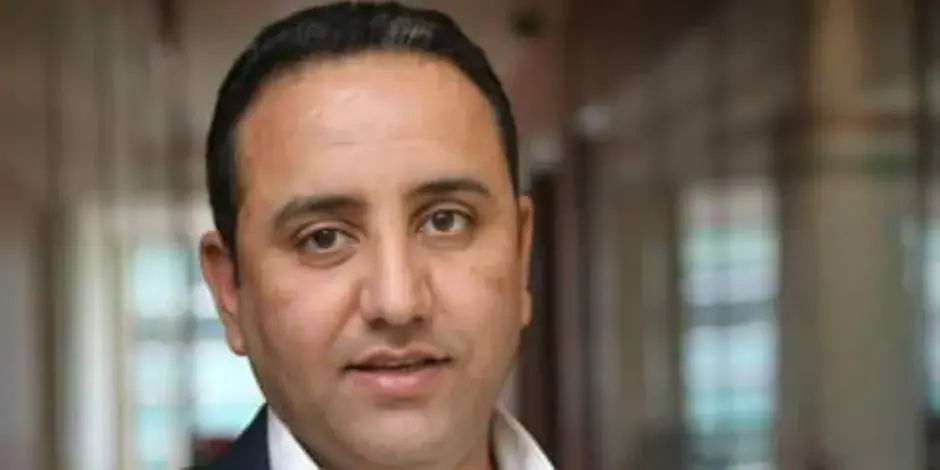
Egyptian artist Mohamed Tharwat recently sparked controversy with his comments at a university event, where he addressed students with a colloquial phrase. The incident has raised questions about the boundaries of free speech and the responsibility of artists in public settings. Tharwat's statement was met with mixed reactions, with some viewing it as harmless humor and others criticizing it as inappropriate for an educational institution.
The incident occurred at a university in Egypt, where Tharwat was participating in an event. According to reports, the students had requested that he use the phrase, which he did. However, some have argued that the phrase was not suitable for an academic setting, where students and faculty expect a certain level of decorum. The debate has highlighted the challenges of balancing free speech with the need to maintain a respectful and professional environment.
The controversy has sparked a wider discussion about the role of artists in society and their responsibility to maintain public decency. Some have argued that artists should be free to express themselves without restriction, while others believe that they have a responsibility to consider the impact of their words and actions on their audience. The debate has also raised questions about the limits of humor and the importance of considering the context in which jokes or phrases are used.
The Egyptian artist's comments have also highlighted the importance of considering the audience and the setting in which they are made. Universities, in particular, are seen as institutions that should promote learning, respect, and professionalism. As such, some have argued that artists and other public figures have a responsibility to be mindful of their words and actions when speaking at these institutions.
The incident has also sparked a debate about the role of education in promoting public decency and responsibility. Some have argued that educational institutions should play a greater role in teaching students about the importance of respecting others and maintaining a professional demeanor. Others have suggested that artists and other public figures should be held to a higher standard of behavior, given their influence and visibility.
Mohamed Tharwat's comments have also raised questions about the relationship between art and public decency. Some have argued that art should be free to push boundaries and challenge social norms, while others believe that it should be respectful and considerate of its audience. The debate has highlighted the complexities of balancing creative freedom with the need to maintain public decency and respect.
In conclusion, the controversy surrounding Mohamed Tharwat's comments has highlighted the importance of considering the impact of one's words and actions on others. It has also raised questions about the responsibility of artists and other public figures to maintain public decency and respect. Ultimately, the debate has underscored the need for a nuanced and thoughtful approach to balancing creative freedom with the need to promote respect and professionalism.
Key points
- The incident has sparked a wider discussion about the role of artists in society and their responsibility to maintain public decency.
- The controversy has highlighted the challenges of balancing free speech with the need to maintain a respectful and professional environment.
- The debate has raised questions about the limits of humor and the importance of considering the context in which jokes or phrases are used.