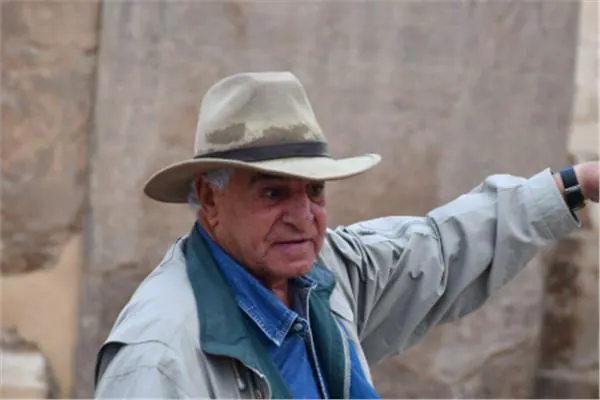
Dr. Zahi Hawass, a renowned Egyptian archaeologist, has responded to recent rumors and statements attributed to him regarding the biblical account of Moses. In a statement, Hawass clarified that his comments were taken out of context and do not reflect his actual views. He emphasized that his work focuses solely on archaeological evidence and its interpretation.
Hawass explained that his original statement concerned the lack of archaeological evidence supporting the story of Moses and the Israelites' exodus from Egypt. He pointed out that, according to Egyptian records, a pharaoh's defeat by an enemy would not be documented, as it would undermine the pharaoh's divine status. Therefore, it is unlikely that such an event would be recorded in ancient Egyptian texts or monuments.
The archaeologist stressed that his comments did not pertain to the biblical account of Moses' conversation with God, which is a matter of faith. Hawass reiterated that he only discusses archaeological evidence and does not engage with theological or religious debates. His statement aims to set the record straight and avoid further misinterpretation of his views.
Hawass' clarification comes amid a backdrop of cultural and historical sensitivities in Egypt. The country's rich heritage and archaeological sites are a source of national pride, and any perceived attacks or misinterpretations can be highly charged. The archaeologist's statement seeks to reassure the public that his work is grounded in scientific inquiry and respect for Egypt's cultural legacy.
The incident highlights the challenges of navigating the intersection of history, faith, and archaeology. Hawass' comments were likely misinterpreted or taken out of context, leading to unnecessary controversy. By clarifying his position, he aims to refocus attention on the importance of archaeological evidence and its role in understanding Egypt's past.
The Egyptian archaeological community and the public have welcomed Hawass' clarification, appreciating his commitment to accuracy and context. The incident serves as a reminder of the need for nuanced understanding and careful communication when discussing sensitive topics. Hawass' work continues to shed light on Egypt's rich history, and his dedication to scientific inquiry has earned him international recognition.
In conclusion, Dr. Zahi Hawass has successfully addressed the controversy surrounding his comments on Moses, reaffirming his focus on archaeological evidence and its interpretation. His clarification has helped to dispel misconceptions and reiterate the importance of context in understanding historical and cultural narratives.
Key points
- Dr. Zahi Hawass emphasizes that his work focuses solely on archaeological evidence.
- Hawass' comments were taken out of context, leading to unnecessary controversy.
- The archaeologist's statement aims to reassure the public about his respect for Egypt's cultural legacy.