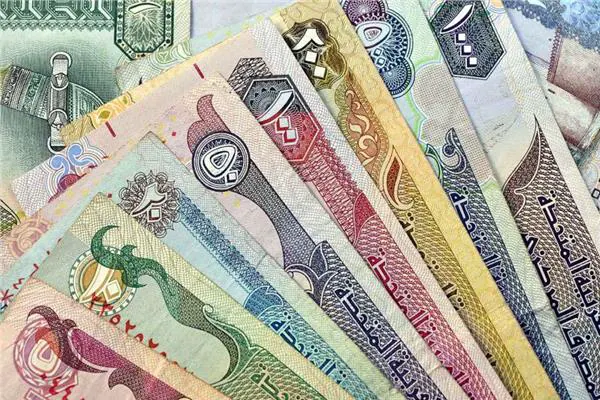
On Sunday, September 27, 2026, Arab currency rates displayed stability in Egyptian banks at the start of trading. According to reports from Akhbar el-Yom, rates against the Egyptian pound remained steady for most currencies. This stability comes after recent fluctuations in the foreign exchange market. Egyptian banks reflected these stable rates in their morning trading sessions. The steady rates are a welcome respite for businesses and individuals involved in foreign transactions.
The Saudi Riyal maintained its value, recorded at 13.74 pounds for buying and 13.80 pounds for selling in Egyptian banks. In contrast, the Kuwaiti Dinar showed a slightly higher range, quoted at 163.31 pounds for buying and 168.47 pounds for selling. These rates indicate minimal changes from previous trading sessions. The stability of these major Arab currencies is crucial for Egypt's trade and economic activities.
The United Arab Emirates' Dirham also demonstrated stability, with a buying rate of 14.07 pounds and a selling rate of 14.11 pounds in Egyptian banks. The Central Bank of Egypt, a key regulator of the country's monetary policy, reported similar rates for these currencies. The Central Bank's rates serve as a benchmark for commercial banks and other financial institutions.
According to the Central Bank of Egypt, the Saudi Riyal was valued at 13.77 pounds for buying and 13.81 pounds for selling. The Kuwaiti Dinar was priced at 168.04 pounds for buying and 168.54 pounds for selling. The Dirham's rates were reported as 13.08 pounds for buying and 14.11 pounds for selling. These figures reflect a synchronized movement in Arab currency valuations.
Some Egyptian banks and currency exchange companies operate during holidays and official weekends, providing services in airports, hotels, clubs, and shopping malls, particularly in Cairo and tourist areas. This extended operational capacity facilitates foreign exchange services for travelers and residents alike. The availability of these services supports Egypt's tourism industry and international trade.
The stability of Arab currency rates is significant for Egypt, given the country's strategic trade relationships with Arab nations. Egypt's economy benefits from steady exchange rates, which help predict and manage foreign transactions. A stable exchange rate environment also boosts investor confidence in the Egyptian market.
The Egyptian Central Bank continues to monitor and regulate the foreign exchange market to ensure stability and sufficient liquidity. The bank's efforts aim to maintain confidence in the Egyptian pound and the overall financial system. As a result, market participants remain cautious and vigilant, anticipating future developments in the foreign exchange market.
Key points
- Egyptian Arab currency rates remained stable on September 27, 2026.
- The Central Bank of Egypt regulates and monitors foreign exchange rates.
- Some Egyptian banks operate during holidays, providing foreign exchange services.