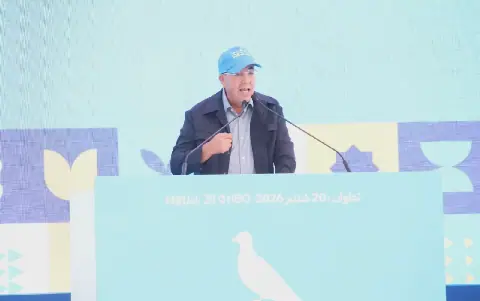
The head of Egypt's anti-doping agency, Dr. Hazem Khamis, has shed light on the case of Pyramids FC player Ramadan Sobhi, who was recently handed a four-year suspension. Khamis revealed that Sobhi's urine sample had an unusual composition and density, differing significantly from human urine. This anomaly sparked concerns and triggered the anti-doping investigation. According to Khamis, the irregularity in the sample is the root of the problem.
Dr. Khamis explained that the most plausible explanation for the unusual sample is tampering. He stated that the Egyptian Anti-Doping Organization initially decided to suspend Sobhi for four years. However, the case was then reviewed by an independent hearing committee within the organization, which neither convicted nor acquitted the player. Instead, the committee lifted the suspension, allowing Sobhi to resume his football career.
The case took a new turn when it was transferred to the World Anti-Doping Agency (WADA), which challenged the Egyptian hearing committee's decision. WADA took the matter to the Court of Arbitration for Sport (CAS), which ultimately upheld the initial four-year suspension imposed by the Egyptian Anti-Doping Organization. This development has put Sobhi's football career on hold once again.
Dr. Khamis outlined the procedures followed by the Egyptian Anti-Doping Organization in handling Sobhi's case. He explained that the organization's executive body made the initial decision to suspend the player, which was then reviewed by the hearing committee and subsequently by the appeals committee. WADA also has the authority to review and challenge decisions made by national anti-doping organizations.
The Ramadan Sobhi case highlights the complexities and challenges involved in anti-doping efforts. Dr. Khamis emphasized that his organization is committed to ensuring fair play and upholding the integrity of sports. The Egyptian Anti-Doping Organization works in accordance with international standards and regulations to prevent doping and protect athletes' rights.
Sobhi's suspension has significant implications for Pyramids FC, his club, and Egyptian football in general. The case serves as a reminder of the strict anti-doping regulations in place to safeguard the health and well-being of athletes. Dr. Khamis stressed that the Egyptian Anti-Doping Organization will continue to work diligently to prevent doping and promote clean sports.
The controversy surrounding Sobhi's case underscores the need for cooperation and coordination among national and international anti-doping organizations. Dr. Khamis expressed his organization's commitment to transparency and fairness in handling doping cases, ensuring that athletes are treated equally and in accordance with established regulations.
Key points
- The Egyptian Anti-Doping Organization's head, Dr. Hazem Khamis, says Ramadan Sobhi's urine sample had an unusual composition and density.
- The case was transferred to WADA, which challenged the Egyptian hearing committee's decision and took it to the Court of Arbitration for Sport.
- Sobhi was handed a four-year suspension, which was upheld by the Court of Arbitration for Sport.