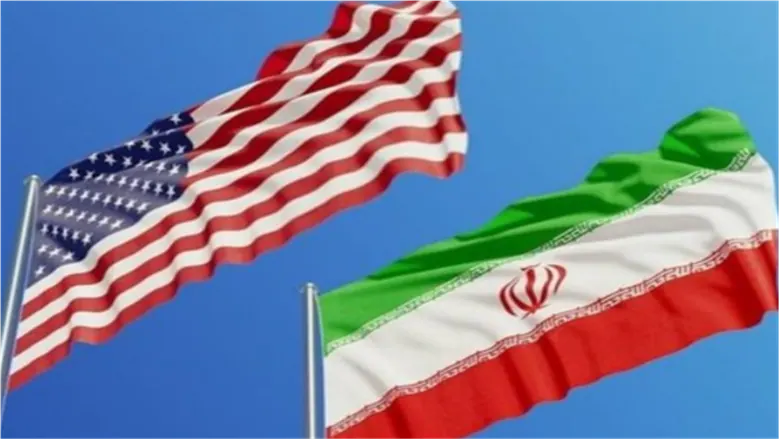
Moktahar Ghabashi, Secretary-General of the Al-Farabi Center for Political and Strategic Studies, has expressed concerns that the international community is not prepared for a potential military conflict between the United States and Iran. In a recent interview with Cairo's Al-Qahera News, Ghabashi noted that there is a clear inclination towards negotiations and rapprochement, particularly after Iran's proposal for a ceasefire was rejected by the US.
Ghabashi highlighted that the US is keen on securing the Strait of Hormuz, a vital waterway for global oil exports, while Iran is reluctant to relinquish control over the strategic passage without concessions from the US. The analyst pointed out that Iran is seeking to lift sanctions and release frozen assets in exchange for allowing free passage through the Strait. This standoff has led to a series of escalations and de-escalations between the two nations.
The Egyptian analyst emphasized that the current regional and global landscape is not conducive to a military confrontation between the US and Iran. Such a conflict could have far-reaching consequences, potentially drawing in other regional actors, including the Houthis in Yemen and Iranian-backed militias in Iraq. Ghabashi warned that a military clash could lead to a wider destabilization of the region.
Ghabashi noted that Iranian officials have signaled that in the event of a US attack, they would respond with a different kind of retaliation. This has put all parties on high alert, with efforts focused on defusing tensions and avoiding a military confrontation. The analyst suggested that Pakistan and Qatar's involvement in the negotiations reflects the desire of various parties to find a peaceful resolution to the crisis.
The ongoing tensions between the US and Iran have significant implications for regional and global security. Ghabashi's comments underscore the need for diplomatic efforts to prevent a military conflict that could have devastating consequences. The Egyptian analyst's assessment highlights the complexities of the situation and the challenges of finding a peaceful resolution.
The US-Iran standoff has been marked by a series of diplomatic initiatives and rebuffs. The Iranian proposal for a ceasefire, rejected by the US, reflects the difficulties in finding common ground between the two nations. Ghabashi's comments suggest that a peaceful resolution will require significant concessions and compromises from both parties.
In conclusion, Ghabashi's warning that the international community is not prepared for a US-Iran conflict serves as a timely reminder of the risks and consequences of such a confrontation. Diplomatic efforts must be intensified to prevent a military clash and find a peaceful resolution to the crisis. The stakes are high, and the need for a negotiated settlement is more pressing than ever.
Key points
- The international community is not prepared for a potential military conflict between the US and Iran.
- A military clash between the US and Iran could have far-reaching consequences for regional and global security.
- Diplomatic efforts are necessary to prevent a military conflict and find a peaceful resolution to the crisis.