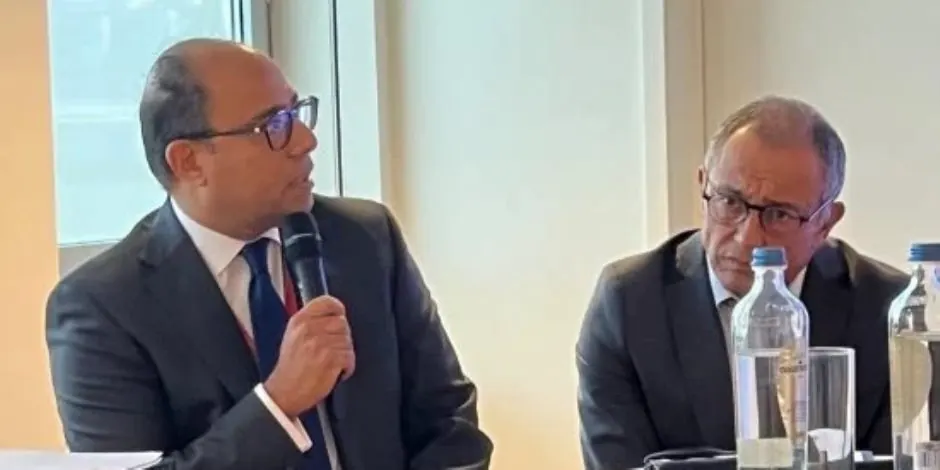
Egyptian Ambassador to the EU and Belgium, Ahmed Abu Zeid, recently participated in the European Transport and Mobility Conference in Brussels. During a session titled "Enhancing Multimodal Transport Connectivity between the Two Shores of the Mediterranean," Abu Zeid presented Egypt's vision for strengthening ties between the Mediterranean regions. The session brought together high-ranking officials, representatives from European institutions, and experts from southern Mediterranean countries and the transportation sector.
Abu Zeid emphasized that the Mediterranean region is undergoing a gradual transformation towards an integrated connectivity system, encompassing ports, sea routes, railways, pipelines, electricity grids, and digital cables. He highlighted Egypt's unique geographical position, which should not be viewed as a standalone advantage but rather as an opportunity to be leveraged through a comprehensive strategy based on "flexible multilateralism." This approach involves diversifying trade and energy routes, providing reliable alternatives to ensure continuity during crises.
The Egyptian Ambassador outlined key elements of Egypt's vision, centered around its connectivity system, which includes the Suez Canal and seven integrated logistics corridors. Additionally, Egypt is working on developing approximately 10,000 kilometers of railway lines and constructing around 2,000 kilometers of high-speed electric train networks. Other projects include the Sumed pipeline, two liquefied natural gas terminals in Idku and Damietta, and green hydrogen initiatives in partnership with European companies.
Abu Zeid also discussed Egypt's efforts to connect the Mediterranean to the African continent through various corridors, offering opportunities to enhance integration between trade, transportation, and energy networks. These corridors can be linked to international economic initiatives and routes. He emphasized that the true value of a connectivity system becomes apparent during crises, citing the activation of alternative routes for transporting goods and energy between the Gulf region, Egypt, and Europe during disruptions in the Strait of Hormuz.
The Ambassador stressed the importance of consistency between European policies and prior consultation with southern Mediterranean countries regarding regulatory measures that may impact their infrastructure and competitiveness. He specifically mentioned the European Union's Emissions Trading System and proposed expansions. Egypt does not seek exemptions from European rules but advocates for policy development in consultation with southern Mediterranean countries, ensuring greater alignment between European policy objectives and the realities and needs of Mediterranean partners.
The European Transport and Mobility Conference is a premier event organized by the European Union, attracting over 3,000 participants from across Europe and neighboring countries. The conference features high-level discussions among ministers, members of the European Parliament, and senior representatives from the European Commission, international financial institutions, and the private sector.
In conclusion, Abu Zeid emphasized that the partnership between the northern and southern Mediterranean regions should aim to build a single, integrated system rather than separate entities. This requires genuine consultation, joint investment, and enhanced regional capacity to address crises and ensure continuity in trade, energy, and communication.
Key points
- Egypt advocates for a comprehensive strategy to enhance connectivity between the Mediterranean regions.
- The strategy involves diversifying trade and energy routes, and developing infrastructure such as railways and logistics corridors.
- Egypt seeks consultation with southern Mediterranean countries on European policies that may impact their infrastructure and competitiveness.