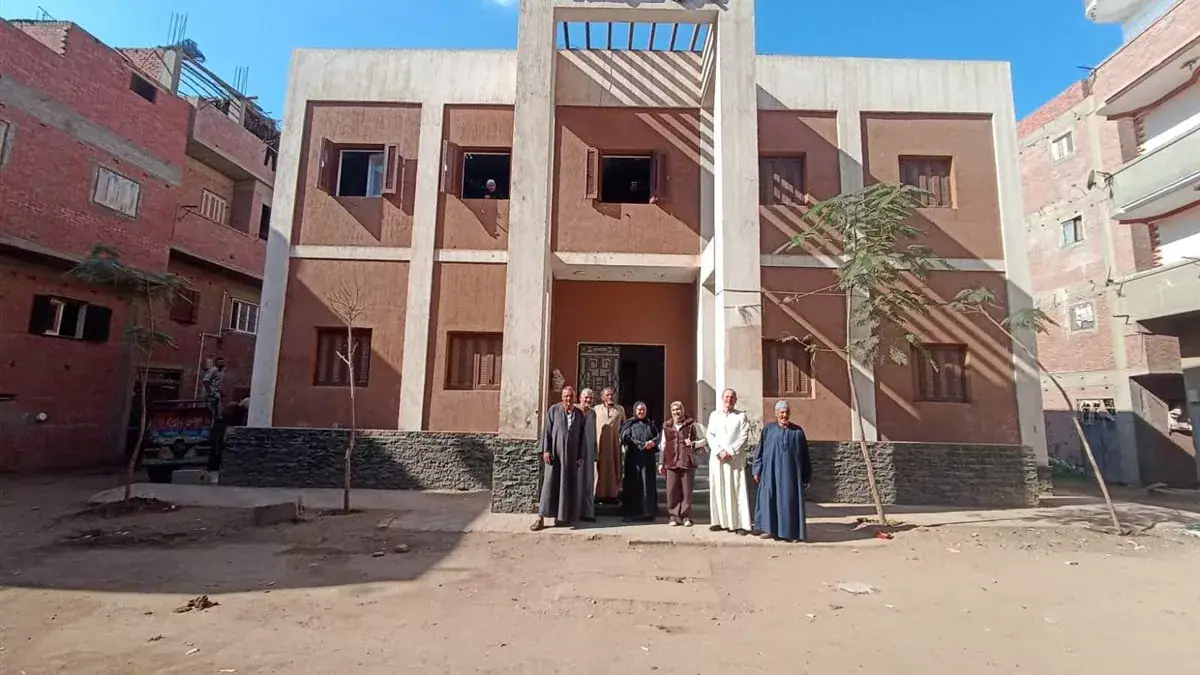
The Egyptian Ministry of Agriculture and Land Reclamation, through its Central Administration for Agricultural Extension, recently conducted an advisory session in collaboration with the Menoufia Governorate Agriculture Directorate. The session, held at the agricultural complex in Ashma, focused on optimal fertilization and weed control for wheat. This effort aligns with Minister of Agriculture Alaa Farouk's directives to educate farmers on best practices for the winter season.
The advisory session emphasized the importance of a booster dose of nitrogen fertilizer for wheat, particularly in the early stages of growth. This dose, which accounts for 20-30% of the total nitrogen requirements, helps support the development of strong seedlings and roots. According to technical recommendations, the booster dose should be applied immediately after planting, either during seed covering in broadcast sowing or before irrigation in furrow sowing.
The session also discussed the various types of nitrogen fertilizers suitable for different soil types. For instance, urea is recommended for heavy clay soils, while ammonium sulfate is better suited for sandy and light soils due to its nitrogen and sulfur content. Ammonium nitrate, on the other hand, is suitable for medium-textured soils as it provides a readily absorbable source of nitrogen.
Participants were advised to adhere to recommended fertilizer application rates and avoid excessive use to prevent nitrogen loss through leaching or volatilization. Factors such as soil type, moisture levels, temperature, and planting date should be considered when determining fertilizer application.
The session also addressed the issue of weeds in wheat fields, which compete with the crop for nutrients and space. Common weeds in Egyptian wheat fields include narrow-leaved species like ryegrass, cat's tail, and Phalaris, as well as broad-leaved species like wild beet, sorrel, and dock. Early intervention and proper herbicide selection are crucial for effective weed control.
Experts stressed the importance of selecting the right herbicide based on the type of weed, wheat age, and technical recommendations. Delaying weed control can lead to increased competition and reduced effectiveness of control measures. The session concluded with a Q&A session, where farmers' concerns and inquiries on wheat fertilization and weed control were addressed.
By providing farmers with technical guidance on optimal fertilization and weed control practices, the Egyptian Ministry of Agriculture aims to support the growth of a healthy and productive wheat crop. This effort is part of the ministry's broader strategy to enhance agricultural productivity and food security in Egypt.
Key points
- The Egyptian Ministry of Agriculture advises farmers to apply a booster dose of nitrogen fertilizer to wheat crops immediately after planting.
- The type of nitrogen fertilizer used should be based on soil type, with urea recommended for heavy clay soils and ammonium sulfate for sandy soils.
- Early intervention and proper herbicide selection are crucial for effective weed control in wheat fields.