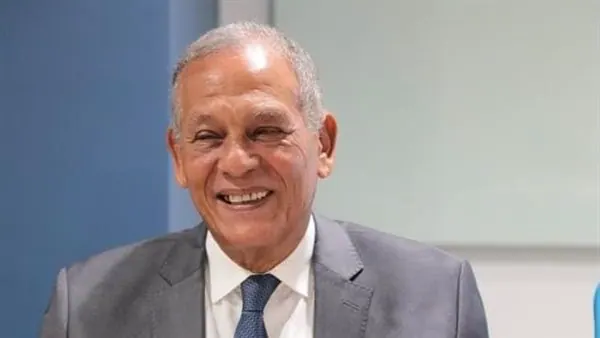
Mohamed Anwar El-Sadat, head of the Sadat Association for Development and Social Care, stressed that a right to information law is a constitutional entitlement, as per Article 68 of the Egyptian Constitution. He noted that despite being an international commitment, the law has yet to be fully implemented. El-Sadat pointed out that freedom of information still faces challenges, including the withholding of information and website blocking.
The Sadat Association for Development and Social Care recently organized a roundtable discussion on the importance of a right to information law in supporting journalistic and media work, as well as civil society. Participants included Dr. Azza Helkel, deputy head of the Arab Academy for Media Affairs, and Dr. Mohamed Al-Hawari, editor-in-chief of Al-Fanar. The discussion was moderated by journalist Dr. Viola Fahmy.
El-Sadat emphasized that the significance of a right to information law extends beyond the needs of journalists and media professionals. He argued that it is a crucial piece of legislation that guarantees every citizen's right to knowledge, access to information, and scrutiny, thereby promoting societal participation, oversight, and accountability. This, in turn, contributes to combating corruption and supporting transparency.
Dr. Azza Helkel highlighted the law's importance in creating a more supportive environment for journalistic work. She stressed that access to reliable information is essential for media outlets to carry out their role in producing professional content that helps shape public awareness based on knowledge. Reliable information allows journalists to perform their duties more accurately and professionally.
Dr. Mohamed Al-Hawari emphasized that clear rules for obtaining information enable journalists to work more precisely and limit the spread of unverified information and rumors. A transparent and well-regulated system for accessing official information would significantly enhance the quality of journalism in Egypt.
The roundtable discussion focused on the need for a clear legislative framework governing information exchange. Such a framework would support the public's right to knowledge, enhance the role of journalism, media, and civil society in monitoring public affairs, and establish more transparent rules for accessing and sharing official information.
The push for a right to information law in Egypt is gaining momentum, with advocates arguing that it is essential for promoting transparency, accountability, and good governance. The law would provide citizens with a vital tool for holding those in power accountable and would help to create a more informed and engaged citizenry.
Key points
- A right to information law is essential for promoting transparency and accountability in Egypt.
- The law would provide citizens with a vital tool for holding those in power accountable.
- Clear rules for obtaining information would enable journalists to work more precisely and limit the spread of unverified information.