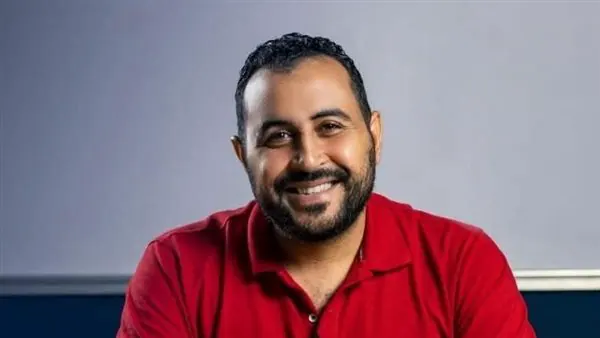
Dr. Mahmoud Dahy, an assistant professor of Hebrew language at Benha University, has shed light on the West Bank's role in the Israeli elections. He believes that understanding the developments in the West Bank requires a broader perspective than just daily security escalations. The West Bank has become a significant file in Israel's electoral battle, particularly with the Knesset elections scheduled for October 27.
According to Dr. Dahy, the West Bank file has become closely tied to the Israeli electoral discourse. This is evident in the recent statements made by some Israeli right-wing leaders. On September 27, Finance Minister and leader of the Religious Zionism party, Bezalel Smotrich, called for what he described as "going to war" in the West Bank and dismantling the Palestinian Authority.
Dr. Dahy noted that the relationship between the elections and the situation in the West Bank is not a simple causal one, where the elections alone led to the escalation. The expansion of settlements, settler violence, and military operations are ongoing phenomena that have been present for years. However, the approaching elections have made the West Bank more prominent in the political competition.
The academic highlighted that the current phase is crucial, as what happens on the ground before October 27 may not just be a backdrop for the elections but could become part of the discussion around the shape of the next Israeli government and its policy towards the West Bank and the Palestinian Authority.
Dr. Dahy also emphasized that a change in government does not necessarily mean a radical change in the ground reality. He pointed out that even Yair Lapid, who is running on a different platform, has not committed to canceling all existing settlement projects. For instance, he criticized the timing of the E1 project but did not pledge to cancel it.
The Egyptian academic concluded that the Israeli electoral scene cannot be separated from the West Bank, but it is more accurate to say that the West Bank has become a parallel political and electoral arena to the military and security arena. He warned against assuming that a change in government would automatically lead to a significant change in the situation on the ground.
Dr. Dahy's analysis suggests that the West Bank's role in the Israeli elections is complex and multifaceted. The issue is not just about the elections but also about the future of the Israeli-Palestinian conflict and the shape of the Israeli government.
Key points
- The West Bank has become a significant file in Israel's electoral battle, particularly with the Knesset elections scheduled for October 27.
- The relationship between the elections and the situation in the West Bank is complex and multifaceted.
- A change in government does not necessarily mean a radical change in the ground reality.