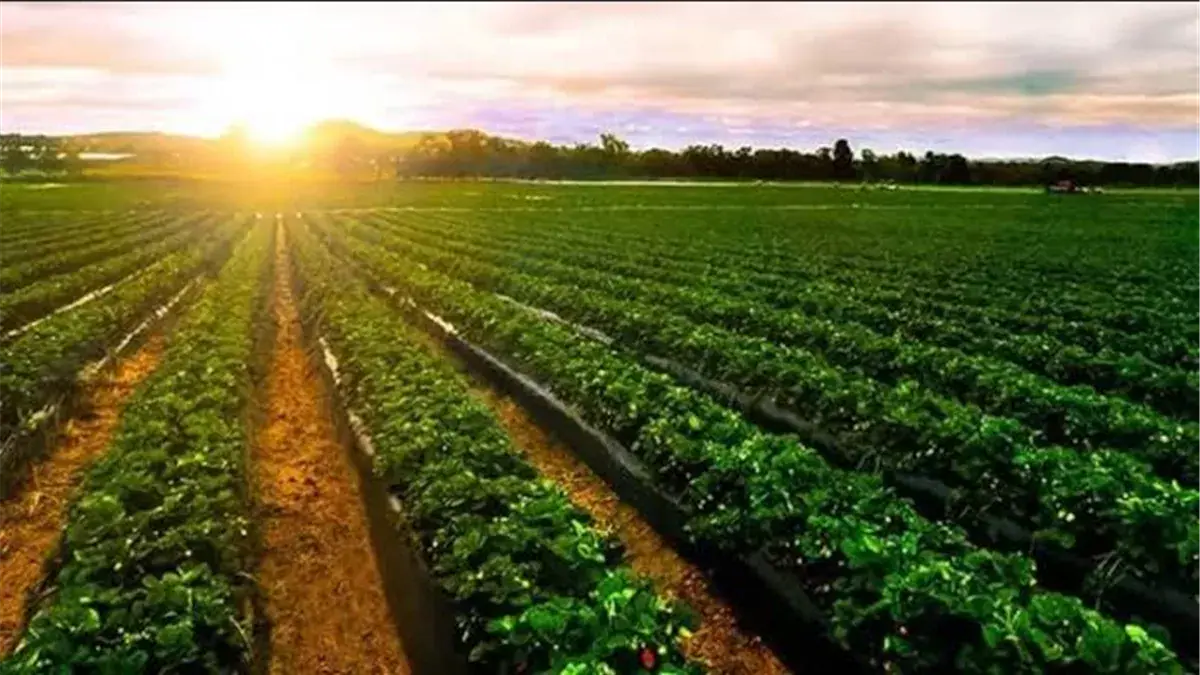
Egypt is experiencing significant temperature fluctuations, with a 16-degree difference between daytime and nighttime temperatures in some areas. This phenomenon, known as "thermal confusion," poses a threat to crops. Dr. Muhammad Ali Fahim, head of the Climate Change Information Center at the Agricultural Research Center, has issued warnings about the impact of these fluctuations on plant growth and productivity.
The current temperature ranges in different regions of Egypt are as follows: Cairo and the Nile Valley will experience daytime temperatures of 27-30°C and nighttime temperatures of 13-16°C. The coastal regions will see daytime temperatures of 24-25°C and nighttime temperatures of 16-18°C. In the northern region, daytime temperatures will range from 28-31°C, while nighttime temperatures will be between 15-17°C. The southern region will experience the highest temperatures, with daytime temperatures reaching 30-32°C and nighttime temperatures ranging from 20-21°C.
The rapid temperature fluctuations, accompanied by changes in humidity and dew, put plants under varying conditions within a few hours. This can lead to increased water loss and reduced growth rates. Dr. Fahim emphasized that the problem lies not in the high daytime temperatures or low nighttime temperatures alone, but in the speed of change between them.
The thermal fluctuations can affect the balance between vegetative and root growth, particularly in newly planted crops. Additionally, the rapid changes in temperature can alter the rates of nutrient absorption and transfer within the plant, increasing stress on crops during sensitive growth stages.
Certain crops, such as potatoes, beets, onions, and strawberries, require close monitoring due to their susceptibility to thermal fluctuations. Dr. Fahim advised farmers to regulate irrigation and fertilization according to the crop's age and needs, and to be cautious of over-fertilization.
The Climate Change Information Center has issued eight recommendations for farmers to cope with the thermal fluctuations, including adjusting irrigation according to soil and crop conditions, avoiding over-fertilization, and monitoring crop health. Farmers are also advised to be aware of the risks of disease and pests, which can spread quickly in conditions of high humidity and temperature fluctuations.
Dr. Fahim also warned citizens of the potential health impacts of rapid temperature changes, particularly for vulnerable groups such as the elderly, children, and those with chronic illnesses. He advised people to dress accordingly, avoid sudden exposure to cold, and stay hydrated.
Key points
- Thermal fluctuations pose a threat to Egyptian crops
- Climate center issues warnings and recommendations for farmers
- Citizens advised to take precautions against health impacts of temperature changes