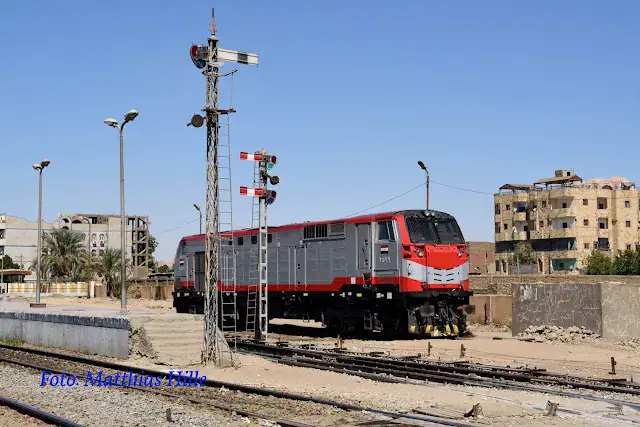
Egyptian prosecutors have launched an investigation into a train collision in Giza governorate that resulted in at least seven fatalities and 125 injuries on Sunday, November 8. According to Egyptian National Railways, a Giza–Fayoum service struck the rear of a Cairo–Aswan train between Kafr Ammar and Al-Raqqa stations in the Al-Ayyat district. Preliminary findings indicate that the Cairo–Aswan train was stationary on the same track when the collision occurred.
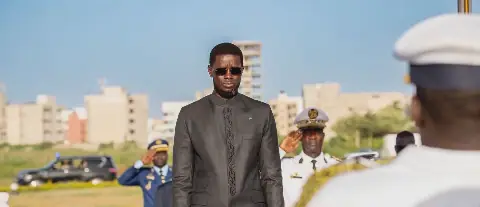
The collision prompted an immediate response from emergency personnel and cranes worked at the scene to remove damaged carriages and clear the railway. Egyptian National Railways reported that Cairo–High Dam services resumed on Monday after crews removed damaged carriages and repaired the track. President Abdel Fattah El-Sisi directed state agencies to provide medical care, investigate the collision promptly, and hold anyone found responsible for negligence accountable.
President El-Sisi also offered condolences to bereaved families and wished the injured a speedy recovery. The Associated Press reported that more than 70 injured passengers had left hospital after receiving treatment. The incident has sparked concerns about railway safety, with an eyewitness and a senator calling for further safety work to prevent such accidents in the future.
Wahid Al-Jamal, an eyewitness, urged authorities to address how residents cross railway lines and how railway personnel communicate with drivers. He suggested that building tunnels or overpasses in villages along the tracks and upgrading signal and communications systems could help prevent accidents. Al-Jamal emphasized that the railway system requires a complete overhaul to ensure regulated operations and prevent accidents.
Emad El-Din Hussein, editor-in-chief of Al-Shorouk newspaper and a member of Egypt’s Senate, acknowledged government spending on the transport network but argued that further work remained necessary. He assessed that while efforts are being made to modernize the railway system, they are still not enough to eliminate incidents. Hussein supported the president’s instruction to investigate possible negligence and stressed that technical investigators must establish what happened.
Egypt has pursued railway modernisation programmes against a history of poorly maintained equipment, management problems, and fatal crashes. In September, a collision involving freight trains in the same district injured a driver and his assistant. Al-Ayyat was also the scene of the country’s deadliest railway disaster in February 2002, when fire swept through a passenger train travelling from Cairo towards Luxor, killing hundreds of people.
The investigation into the train collision is ongoing, with prosecutors working to determine the cause of the incident and identify those responsible. The incident has highlighted the need for continued investment in railway safety and infrastructure to prevent such tragedies from occurring in the future. Key stakeholders, including government officials and railway experts, are calling for a comprehensive approach to address the complex challenges facing Egypt's railway system.
Key points
- Egyptian prosecutors investigate train collision that killed 7 and injured 125 people
- President Abdel Fattah El-Sisi directs state agencies to provide medical care and investigate the collision
- Incident sparks concerns about railway safety, with calls for further safety work to prevent future accidents
Reporting sources
- Egypt train crash kills 7, injures 125 · Prime 9ja Online