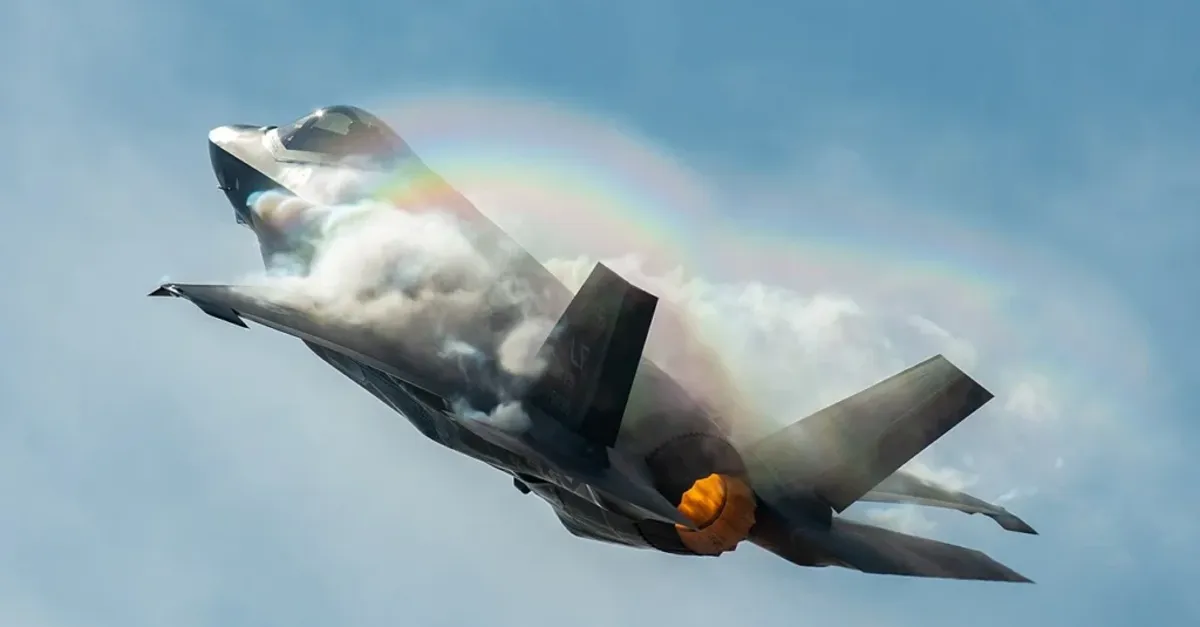
The global military landscape is undergoing a significant transformation with the integration of artificial intelligence (AI) into combat systems. Countries such as the US, China, the UK, Japan, Italy, and France are competing to develop cutting-edge technologies that will redefine air warfare. At the forefront of this effort are sixth-generation fighter jets, which are being designed to serve as mobile command centers. These advanced aircraft will be capable of integrating with unmanned aerial vehicles (UAVs), satellites, and sensors to create a seamless battlefield network.
Several countries are making significant progress in developing sixth-generation fighter jets. The US is working on the F-47, a next-generation air dominance program under the Next Generation Air Dominance (NGAD) program. China is also advancing with its J-36 and J-50 programs, which feature advanced stealth designs and internal weaponry. In Europe, the UK, Italy, and Japan are collaborating on the GCAP program, which aims to introduce a sixth-generation fighter jet into service by 2035. Meanwhile, France is leading the FCAS program, which combines a new-generation fighter with remote carriers and a decentralized, flexible combat cloud.
The development of sixth-generation fighter jets is driven by the need to counter advanced air defense systems. These new aircraft will be designed to operate in a network-centric environment, where AI plays a crucial role in processing vast amounts of data from various sensors and making informed decisions. The integration of AI will enable pilots to focus on strategic decision-making while the aircraft handles tasks such as threat detection, navigation, and electronic warfare.
Sixth-generation fighter jets will also be capable of controlling multiple unmanned combat aerial vehicles (UCAVs), which will perform tasks such as reconnaissance, electronic warfare, and strikes. This will allow manned aircraft to remain at a safe distance from high-risk areas. The new designs will also feature reduced thermal and electromagnetic signatures, making them harder to detect.
The introduction of sixth-generation fighter jets is expected to revolutionize air warfare. These aircraft will be capable of detecting, communicating, and striking targets more effectively than their predecessors. The use of AI will enable them to process vast amounts of data and make informed decisions in real-time, giving them a significant edge on the battlefield.
Egypt is also considering acquiring sixth-generation fighter jets to modernize its air force. The Egyptian military has been investing heavily in advanced technologies, including AI and cybersecurity. The acquisition of sixth-generation fighter jets would be a significant step towards enhancing Egypt's air defense capabilities and ensuring its sovereignty.
The development of sixth-generation fighter jets is a rapidly evolving field, with several countries competing to develop the most advanced technologies. As the global military landscape continues to shift, one thing is clear: the integration of AI into combat systems will play a crucial role in determining the outcome of future conflicts.
Key points
- Egypt considers acquiring sixth-generation fighter jets with advanced AI capabilities
- Sixth-generation fighter jets will be capable of integrating with UAVs, satellites, and sensors to create a seamless battlefield network
- The introduction of sixth-generation fighter jets is expected to revolutionize air warfare, enabling aircraft to detect, communicate, and strike targets more effectively.