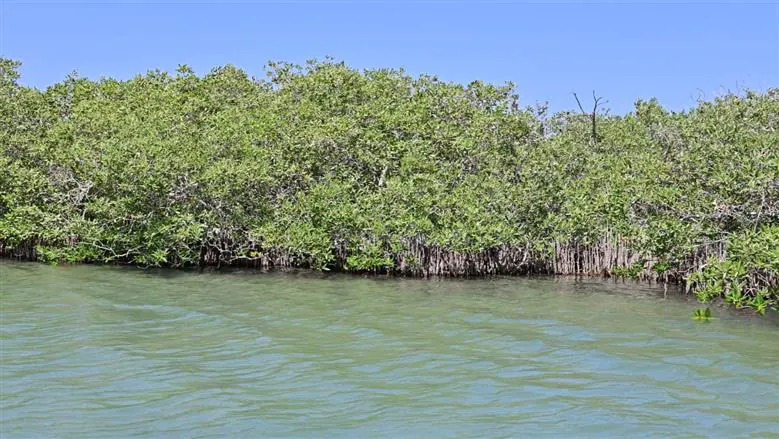
The Egyptian government has successfully completed a project to plant 50,000 mangrove trees along the Red Sea coast, according to Dr. Hani Suwelim, Minister of Water Resources and Irrigation. The project aims to protect the coastline from erosion and promote sustainable development in the region. Mangrove trees are a unique species that can thrive in salty seawater and play a crucial role in maintaining the health of coastal ecosystems.
Mangrove trees have several benefits, including absorbing carbon dioxide, protecting coastlines from erosion, and providing a habitat for fish and other marine life. According to Dr. Suwelim, a single mangrove tree can absorb up to 350 kg of carbon dioxide during its lifetime. The trees also help to stabilize the coastline and prevent erosion, which can have devastating effects on coastal communities.
The project is a collaborative effort between the Ministry of Water Resources and Irrigation, the American University in Cairo, and HSBC. Dr. Suwelim expressed his gratitude to the teams involved in the project, saying that it is an excellent example of sustainable development that takes into account the social and economic needs of local communities.
Mangrove trees are also an important source of income for local communities, as they provide a habitat for bees and fish. The trees are also a popular tourist attraction, with their unique ecosystem and natural beauty drawing visitors from around the world. By promoting sustainable development and protecting the environment, the Egyptian government aims to boost eco-tourism in the region.
The project is part of a broader effort to protect the Red Sea coast from the impacts of climate change. Rising sea levels and increased storm activity pose a significant threat to coastal communities, and the Egyptian government is taking steps to mitigate these effects. By planting mangrove trees and promoting sustainable development, the government aims to reduce the vulnerability of coastal communities to climate change.
Dr. Suwelim emphasized the importance of mangrove trees in maintaining the health of coastal ecosystems. He noted that the trees are able to thrive in salty seawater and play a crucial role in maintaining the balance of the ecosystem. The minister also highlighted the economic benefits of the project, saying that it will provide a source of income for local communities and help to promote sustainable development in the region.
The successful completion of the project is a significant achievement for the Egyptian government, and it demonstrates the country's commitment to protecting the environment and promoting sustainable development. The project is a model for future initiatives aimed at protecting the Red Sea coast and promoting eco-tourism in the region. Key points include the absorption of carbon dioxide, protection of coastlines, and promotion of sustainable development.
Key points
- The project aims to protect the coastline from erosion and promote sustainable development in the region.
- Mangrove trees can absorb up to 350 kg of carbon dioxide during their lifetime.
- The project provides a source of income for local communities and helps to promote eco-tourism in the region.