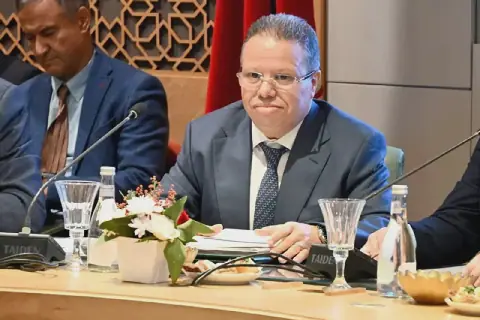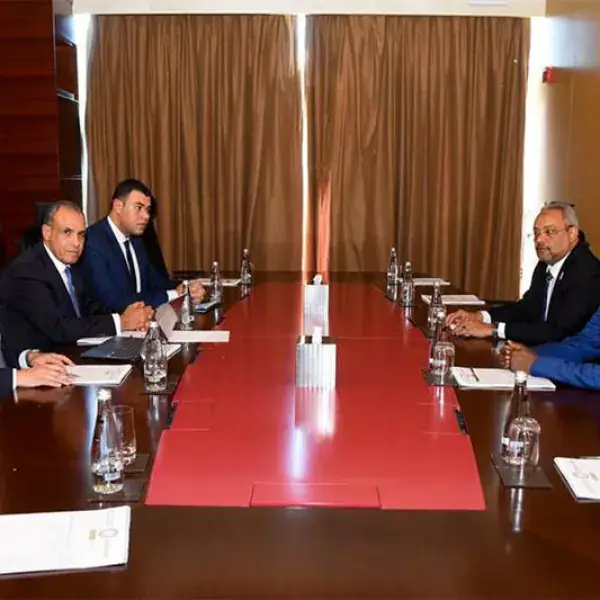
The foreign ministers of Egypt, Somalia, and Djibouti recently held separate meetings in Tripoli, Libya, to discuss regional stability, economic cooperation, and security in the Red Sea. Egyptian Foreign Minister Badr Abdelatty met with his Somali counterpart, Abdisalam Abdi Ali, and Djibouti's Foreign Minister Abdoulkader Houssein Omar during the 22nd session of the Executive Council of the Community of Sahel-Saharan States. These meetings aimed to strengthen bilateral relations and address pressing regional issues.
Abdelatty and Abdi Ali focused on strengthening bilateral relations between Egypt and Somalia, expanding economic and development cooperation, and coordinating positions on regional security developments. Abdelatty reaffirmed Egypt's support for Somalia's sovereignty, unity, and territorial integrity, emphasizing opposition to unilateral measures that could undermine Somalia's internationally recognized borders. This commitment reflects Egypt's long-standing stance on regional stability and cooperation.
The discussions also touched on the security and management of the Red Sea, with Abdelatty stating that countries bordering the Red Sea should bear responsibility for its security. This position aligns with a joint declaration made on October 4 by the leaders of Egypt, Somalia, Eritrea, and Sudan in El Alamein, Egypt. The declaration emphasized the importance of Red Sea littoral states leading efforts to manage security in the strategic waterway while ensuring freedom of navigation.
The meetings occur amid Ethiopia's pursuit of access to the sea and a greater role in regional security arrangements. Addis Ababa has argued that its reliance on Red Sea shipping routes gives it a direct interest in the waterway's security. This has become a source of tension in the Horn of Africa, particularly regarding port access and regional security arrangements. Egypt, Somalia, and Djibouti are navigating these complex issues while promoting regional stability.
Abdelatty and his Djiboutian counterpart discussed cooperation in trade, investment, energy, ports, logistics, and infrastructure. They also reviewed developments in Sudan and Somalia and efforts to promote peace and stability in the Horn of Africa. These discussions highlight the interconnected nature of regional security and economic cooperation in the Horn of Africa.
The ministers agreed to continue diplomatic consultations and cooperation on regional security issues. No new military agreement or joint action targeting Ethiopia was announced following the meetings. This approach reflects a commitment to addressing regional challenges through dialogue and cooperation rather than confrontation.
The talks between Egypt, Somalia, and Djibouti demonstrate a shared commitment to regional stability and cooperation. Key areas of focus include Red Sea security, economic cooperation, and promoting peace in the Horn of Africa. The meetings in Tripoli mark a step towards enhancing diplomatic engagement and addressing pressing regional challenges.
Key points
- Egypt reaffirms support for Somalia's sovereignty and territorial integrity.
- Red Sea littoral states should lead efforts to manage security in the strategic waterway.
- The meetings reflect a shared commitment to regional stability and cooperation in the Horn of Africa.