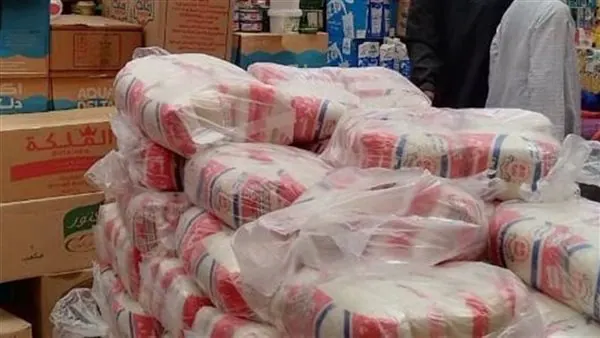
Egypt's sugar exports have experienced a notable increase during the first eight months of 2026. According to data from the Egyptian Food Industries Export Council, these exports rose by 7%, reaching approximately $240 million, which is equivalent to around 12.4 billion Egyptian pounds. This growth is part of a larger trend in Egypt's food industries sector, which saw total exports of $5.128 billion from January to August 2026.
The increase in sugar exports is attributed to a decision by the Ministry of Investment and Foreign Trade, numbered 225 of 2026, allowing for the export of surplus sugar quantities until the end of the year. This decision came after years of restrictions on sugar exports aimed at maintaining strategic reserves and meeting local market needs. The current surge in exports indicates a shift in the market dynamics, with Egypt now having a surplus that can be directed towards international markets.
The export growth is occurring alongside efforts to manage the local market. The Egyptian government has been working to stabilize sugar prices and ensure availability. As of September 2026, the prices of sugar in Egypt vary depending on the sales outlet and product type. The subsidized sugar price for ration card holders is 12.60 Egyptian pounds per kilogram. Under a price reduction initiative, sugar is sold at 25 pounds per kilogram in government outlets and consumer cooperatives.
In the free market, the average price of packaged sugar ranges between 32.5 and 35 pounds per kilogram, with prices varying by company and location. These price dynamics reflect the government's efforts to balance the needs of the local market with the goal of increasing exports. The current prices aim to support consumers while also allowing for a surplus to be exported.
Minister of Supply and Internal Trade, Dr. Sherif Farouk, has addressed concerns about the recent increase in sugar prices. He emphasized that the strategic reserve of sugar is sufficient for about 11 months, ensuring market stability and protecting consumers from potential fluctuations in supply. The minister also highlighted that the increase in prices is not due to export activities or a shortage in supply but rather to commercial practices.
Dr. Farouk further clarified that the export of sugar is not open-ended but is limited to quantities that do not impact the local market. The decision to allow exports was made after verifying that it would not affect the domestic supply. He reassured that the government is committed to providing sugar at suitable prices for citizens, with subsidized sugar still available at 12.5 pounds.
The Egyptian government continues to monitor the sugar market closely, aiming to balance the objectives of supporting local consumers and enhancing export performance. With a strategic approach to managing its sugar reserves and export policies, Egypt seeks to maintain stability in the sugar market while benefiting from its surplus production.
Key points
- Egypt's sugar exports increased by 7% in the first eight months of 2026, reaching $240 million.