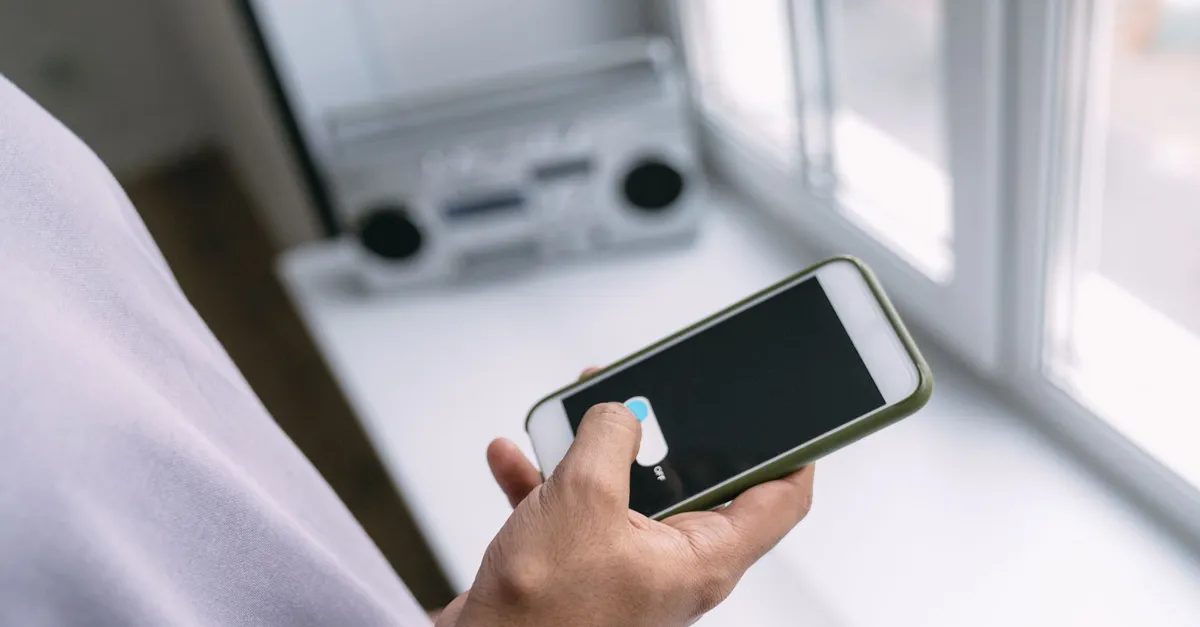
A growing number of young people in the United States and Europe have started experimenting with ways to limit their smartphone use, sparking a renewed debate about users' relationships with screens. This trend, described as a new wave in digital wellness, involves distancing oneself from smartphones rather than increasing reliance on them. Various devices and applications have emerged to help users manage their screen time and reduce their exposure to social media.
One such device, "Break," has gained popularity since its launch in autumn 2023. It allows users to block specific applications using a small physical tool linked to a phone app. Users can designate which programs they want to restrict and then use the device to activate the block. The device costs $59 and does not require ongoing subscription fees. By making it more difficult for users to access certain apps, the device aims to help users develop healthier smartphone habits.
The rise of digital detox devices like "Break" reflects growing concerns about the impact of excessive smartphone use on sleep, mental health, productivity, and social relationships. As a result, some users are turning to traditional phones and analog devices, and rediscovering hobbies that do not involve screens. This shift is part of a broader trend towards reevaluating the role of technology in daily life and seeking a better balance between screen time and other activities.
Users who have tried the "Break" device report that it has helped them become more mindful of their smartphone use and make more intentional decisions about how they spend their time. However, some have also experienced feelings of frustration and discomfort when they are unable to access their favorite apps. Experts note that breaking the habit of constant smartphone use can be challenging, but that it is possible with the right tools and strategies.
To successfully limit smartphone use, experts recommend finding alternative activities to fill the time that would otherwise be spent on screens. This can include reading, exercising, or engaging in hobbies. By providing a substitute for screen time, users can make it easier to stick to their goals and develop healthier habits. Additionally, setting clear boundaries and goals can help users stay on track and achieve a better balance between screen time and other activities.
The digital detox trend reflects a broader shift in how people think about technology and its role in their lives. Rather than seeking to accumulate more gadgets or apps, some users are looking for ways to regain control over their attention and time. This trend is also driving interest in simple phones and traditional activities that do not involve screens.
As the digital detox trend continues to grow, it raises important questions about the relationship between technology and mental health. While smartphones have made it easier to communicate and access information, they have also become a source of distraction and stress for many people. By finding ways to use technology more intentionally and setting boundaries around screen time, users can work towards a healthier balance between technology use and other aspects of life.
Key points
- The digital detox trend involves using devices and applications to limit smartphone use and promote healthier habits.
- Experts recommend finding alternative activities to fill the time that would otherwise be spent on screens.
- The trend reflects a broader shift in how people think about technology and its role in their lives.