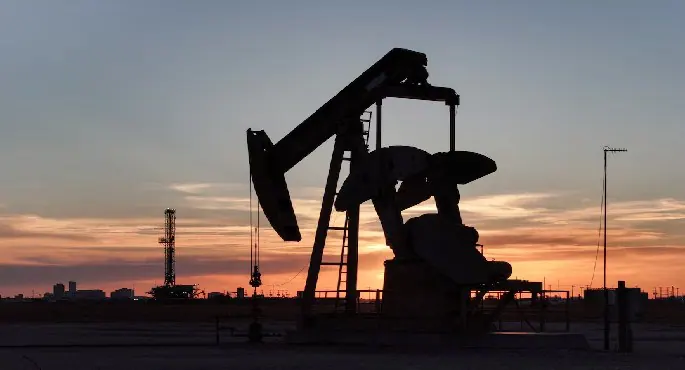
Oil prices have fallen to their lowest level in 12 days, driven by increased crude oil flows through the Strait of Hormuz and growing hopes for progress in the US-Iran conflict. The decline comes as US Vice President JD Vance stated that large quantities of oil and gas continue to flow through the strategic waterway, despite Iranian threats to disrupt shipping.
Vance, during a press conference, accused Iran of intimidating international shipping, emphasizing the need to protect free trade flows. He reiterated President Donald Trump's stance that Iran must not be allowed to possess nuclear weapons. The comments reflect ongoing US concerns about Iran's military ambitions and regional influence.
The current oil price drop is seen as a positive development for global markets, which have been wary of supply disruptions in the Middle East. The Strait of Hormuz is a critical passage for oil exports, with many countries relying on it for their energy needs. Any significant disruption could have far-reaching impacts on global energy supplies and prices.
The US and Iran have been engaged in a tense standoff, with the US imposing sanctions on Iran and Tehran threatening to retaliate. However, recent diplomatic efforts have raised hopes of a potential de-escalation. The international community remains cautious, aware that any miscalculation could lead to a wider conflict.
Egypt, as a significant player in the region, is closely monitoring developments in the US-Iran conflict. The country's economy, like others, is vulnerable to fluctuations in global oil prices. A sustained decline in prices could provide relief to Egypt's economy, which has faced challenges in recent years.
The global economic implications of the US-Iran conflict are significant, with potential impacts on trade, investment, and energy markets. As the situation continues to evolve, market participants are closely watching for signs of progress or further escalation. A peaceful resolution to the conflict could help stabilize global markets and promote economic growth.
In related news, Egyptian Prime Minister Mostafa Madbouly is set to lead the country's delegation at the upcoming United Nations General Assembly meetings in New York. The meetings will provide an opportunity for Egypt to engage with global leaders on key issues, including regional security, economic development, and climate change.
Key points
- Oil prices have dropped to a 12-day low amid hopes of a de-escalation in the US-Iran conflict.
- The Strait of Hormuz remains a critical passage for oil exports, with any disruption potentially impacting global energy supplies.
- Egypt's economy is closely monitoring developments in the US-Iran conflict, given its vulnerability to fluctuations in global oil prices.