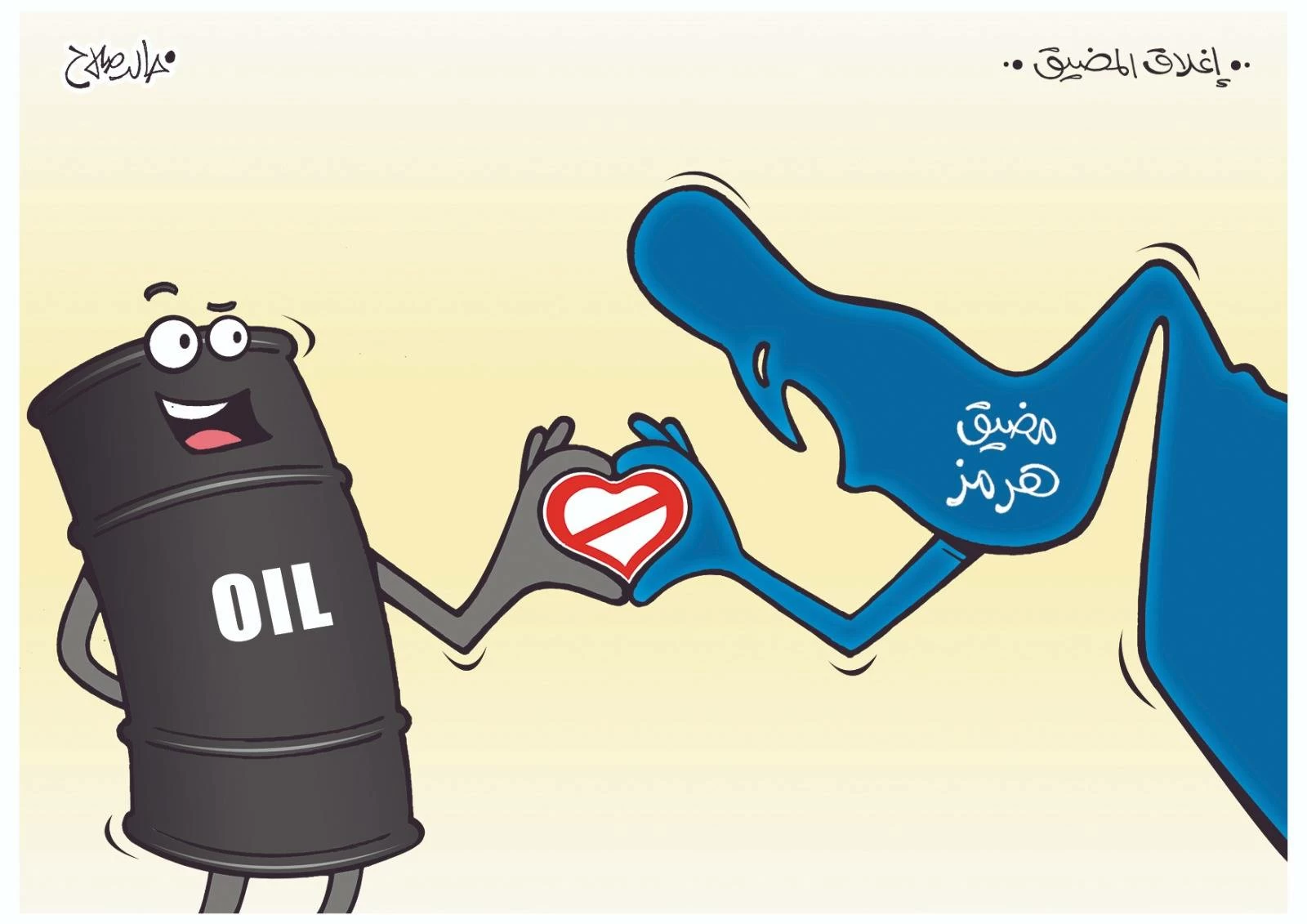
Global oil prices experienced a significant surge on Thursday, with Brent crude climbing above $102 per barrel. This increase is attributed to escalating tensions in the Gulf region, particularly in the Strait of Hormuz, a critical waterway for global oil supplies. As of 01:16 GMT, Brent crude rose by 1.33% to $101.53 per barrel, later reaching $102.62 per barrel, a 2.82-dollar increase.
The surge in oil prices is driven by three key factors. Firstly, recent attacks on shipping vessels in the Strait of Hormuz have reached their highest level since the start of the Iran war. The British Maritime Trade Operations reported that a Qatari tanker was hit by projectiles, resulting in injuries. The strait, which previously handled around 20% of global oil and fuel supplies, has become a critical chokepoint.
The second factor contributing to the price increase is the ongoing conflict in the Middle East, which has entered its eighth month. The Houthi rebels have launched attacks on two Saudi airports, and their control of parts of the Bab al-Mandab Strait has raised concerns about potential disruptions to oil supplies. This development has added to the uncertainty surrounding the global oil market.
The third factor is the technical decline in US crude inventories. According to the US Energy Information Administration, crude oil stocks fell by 3.2 million barrels to 424.1 million barrels, exceeding analyst expectations of a 1.7 million barrel decline. In response, the International Energy Agency has agreed to accelerate the release of strategic reserves and prioritize diesel supplies as part of a plan launched in March.
Despite the global price surge, Egypt's Ministry of Petroleum has denied reports of an imminent price increase. The Automatic Pricing Committee did not convene until October 4, and current prices remain unchanged. Presently, the prices of petroleum products in Egypt are as follows: 95-octane gasoline is priced at 24 pounds, 92-octane gasoline at 22.25 pounds, and 80-octane gasoline at 20.75 pounds.
The ongoing rise in global oil prices, with Brent crude surpassing $100 per barrel, is expected to put pressure on Egypt's import bill. Experts predict that the price fluctuations will continue, potentially driving Brent crude towards $105 to $110 per barrel. Any further escalation in the Strait of Hormuz or Bab al-Mandab could lead to increased prices, while a potential agreement to manage shipping through Oman might provide temporary relief.
As the situation in the Gulf region continues to unfold, market analysts are closely monitoring the developments. The recent attacks on the East-West pipeline in Saudi Arabia have already led to increased trading activity, with some traders testing the $107 per barrel mark. The global oil market remains susceptible to geopolitical events, and any significant changes in the region could have far-reaching implications for oil prices.
Key points
- Global oil prices have surged due to rising tensions in the Gulf region.
- The Strait of Hormuz and Bab al-Mandab have become critical chokepoints for global oil supplies.
- Egypt's Ministry of Petroleum has denied reports of an imminent price increase, but experts warn of potential price hikes.