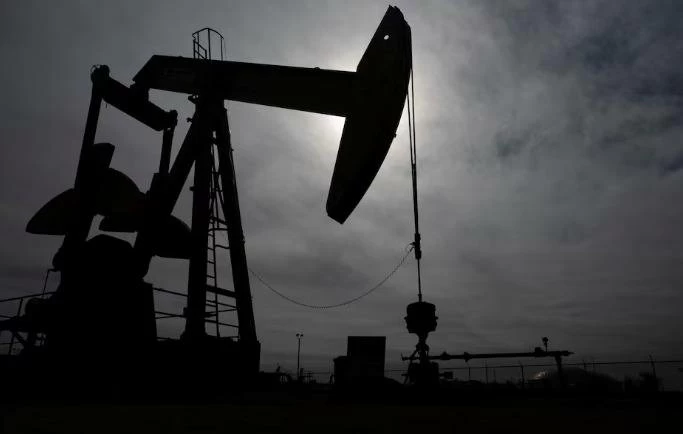
Global oil prices experienced a significant surge on Monday, rising over 1% due to the stalled peace talks between the United States and Iran. The ongoing tensions in the Middle East have kept the region on edge, with US President Donald Trump rejecting an Iranian proposal to end the conflict and reopen the Strait of Hormuz. This development has led to increased uncertainty in the oil market.
The price of Brent crude oil futures rose by $1.32, or 1.27%, to reach $105.64 per barrel. Similarly, the US West Texas Intermediate crude oil futures increased by 70 cents, or 0.76%, to $93.11 per barrel. The rejection of the Iranian proposal by Trump has contributed to the rise in oil prices, as investors worry about the potential impact of prolonged tensions on global oil supplies.
Trump rejected the Iranian proposal for a seven-day ceasefire on Saturday, stating that Tehran was incurring significant losses due to the closure of the Strait of Hormuz. He also claimed that the US had complete control over the strategic waterway. The Strait of Hormuz is a critical passage for global oil exports, with significant volumes of oil passing through it daily.
According to Trump, Iran wants to negotiate an agreement, but he deemed the proposal unacceptable. He emphasized that the US had imposed the "largest military embargo" and a "steel wall" around the Strait of Hormuz. Trump also pointed out that 29 ships had passed through the strait on Friday night, highlighting the importance of the waterway for global oil trade.
The Iranian decision to close the Strait of Hormuz has led to significant losses for the country, according to Trump. He argued that Iran had backed itself into a corner by closing the strait, which has resulted in the loss of revenue for the country. The ongoing tensions between the US and Iran have raised concerns about the potential for further conflict and its impact on global oil supplies.
The Wall Street Journal reported that Trump was skeptical about Iran's willingness to meet his demands, citing unnamed US officials. Trump allegedly told his team that he expected to resume a bombing campaign against Iran after the US midterm elections in November 2026. This development has added to the uncertainty surrounding the US-Iran relationship and its impact on global oil markets.
The rise in global oil prices has significant implications for Egypt and other countries that rely heavily on oil imports. The ongoing tensions in the Middle East have raised concerns about the potential for further disruptions to global oil supplies, which could have far-reaching consequences for the global economy. Egypt, as a significant oil importer, will be closely monitoring the situation and its impact on the country's economy.
Key points
- US President Donald Trump rejected an Iranian proposal for a seven-day ceasefire.
- Global oil prices rose over 1% due to the stalled US-Iran peace talks.
- The Strait of Hormuz remains a critical passage for global oil exports.