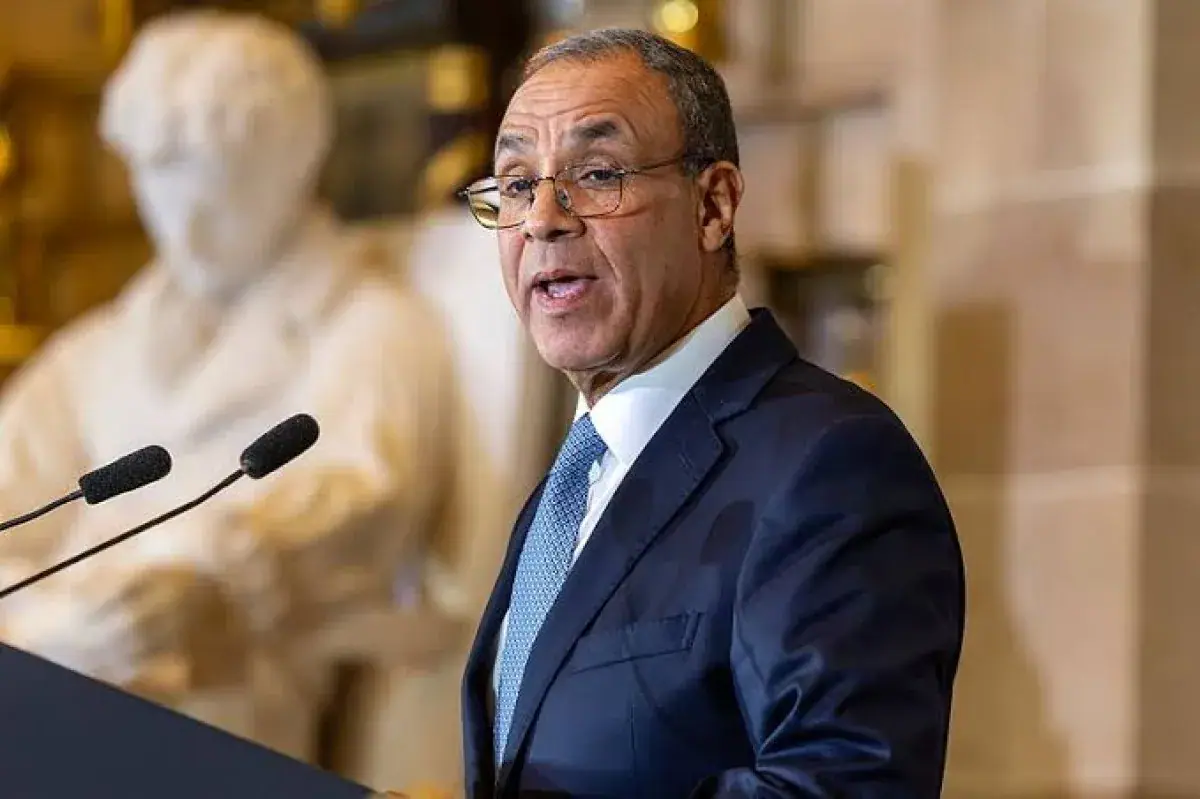
Egyptian Foreign Minister Badr Abdelatty revealed that Somalia attempted to mediate the longstanding dispute between Egypt and Ethiopia over the Grand Ethiopian Renaissance Dam, but the initiative failed to make progress after Ethiopia rejected the proposal. Abdelatty made the statement during a meeting with journalists, media representatives, newspaper editors-in-chief and television presenters at Tahrir Palace in Cairo.
The Somali mediation effort included a meeting held in Turkey aimed at addressing the disagreements surrounding the controversial dam. However, Abdelatty provided no further details about the proposed arrangements or the discussions held during the meeting. Egypt's water security is an existential issue and a red line for Cairo, Abdelatty said, reiterating Cairo's position that any agreement concerning the Nile River must respect international law and the rights of downstream countries.
Abdelatty's remarks came in response to questions about Ethiopian statements linking the Nile water dispute to Addis Ababa's efforts to secure access to the sea. The minister maintained that the GERD dispute and Ethiopia's quest for maritime access are two separate matters that should not be linked. He reiterated that reaching a legally binding agreement governing the filling and operation of the dam remains essential.
Cairo has also expressed opposition to any maritime access arrangements that could provide Ethiopia with military advantages. Egypt supports development initiatives in Nile Basin countries but opposes unilateral measures that could affect the water rights and interests of other states. The tensions surrounding Ethiopia's search for maritime access intensified in January 2024, when Addis Ababa signed a memorandum of understanding with Somaliland.
The agreement reportedly included provisions granting Ethiopia access to a coastal area along the Red Sea, triggering strong opposition from Somalia's federal government, which described the move as a violation of its sovereignty and territorial integrity. The dispute prompted diplomatic intervention by Türkiye, which facilitated negotiations between Mogadishu and Addis Ababa, culminating in the signing of the Ankara Declaration in December 2024.
Under the declaration, Somalia and Ethiopia agreed to pursue commercial arrangements that would provide Ethiopia with reliable and sustainable access to the sea through agreements reached under Somalia's sovereign authority. Egypt and Sudan maintain opposition to unilateral dam operations, reiterating their rejection of unilateral measures in the Eastern Nile Basin and urging Ethiopia to reconsider its approach to the dam.
Both countries warned about the implications of continued unilateral operations without a legally binding framework. Abdelatty's latest remarks underscore Cairo's continued efforts to separate the GERD negotiations from the broader regional debate over Ethiopia's access to the sea, while maintaining that Nile water security and respect for national sovereignty remain central to Egypt's position.
Key points
- Egypt's Foreign Minister Badr Abdelatty says Ethiopia rejected Somalia's mediation efforts in the GERD dispute.
- The GERD dispute and Ethiopia's quest for maritime access are two separate matters, according to Abdelatty.
- Egypt and Sudan reiterated their rejection of unilateral measures in the Eastern Nile Basin and urged Ethiopia to reconsider its approach to the dam.