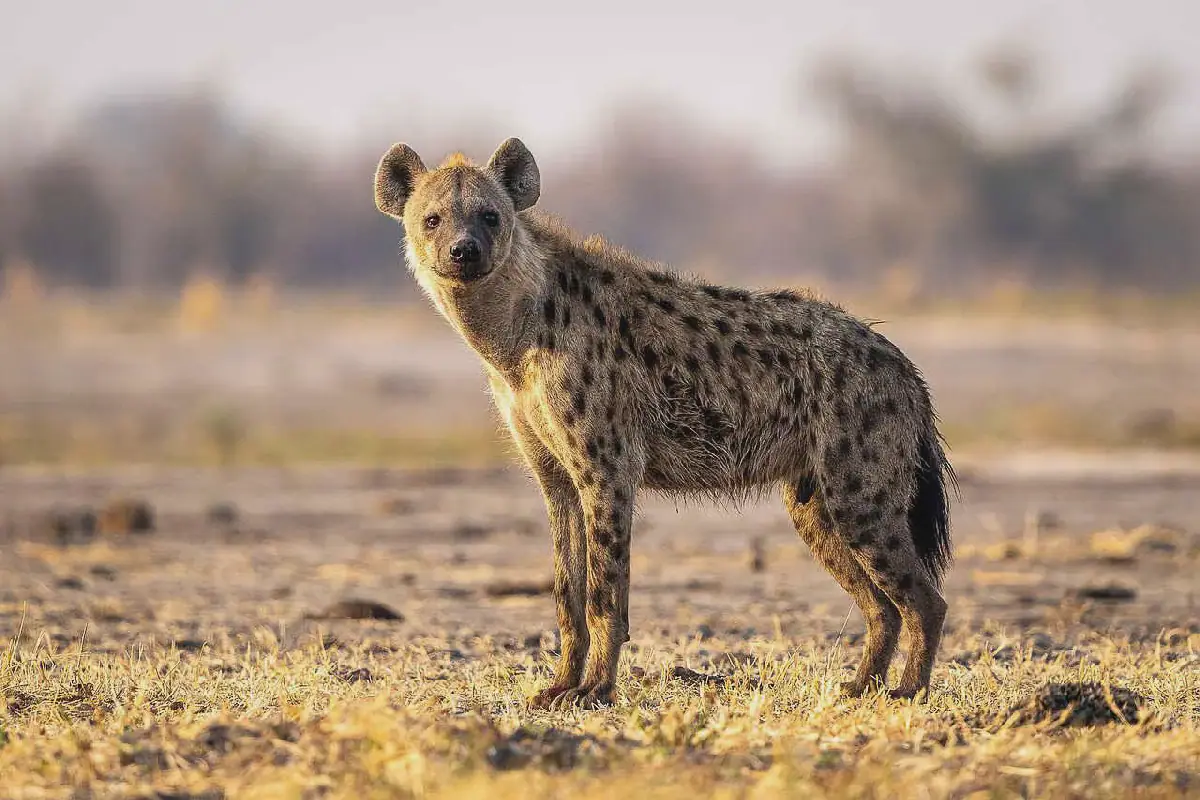
In the village of Abu Ramad, a pair of mutilated sheep signaled the return of a visitor from the past—the spotted hyena. The hyena had vanished from the region for over five millennia and its reappearance has raised alarms about the predator. Local shepherds discovered the hyena in a cave in Jabal Elba, where they cornered and killed it. Officials from the Ministry of Environment confirmed that the spotted hyena had not been observed by personnel at the Elba Protected Area.
The spotted hyena may be an unfamiliar threat to today's villagers, but it was once far more integrated into Egyptian life. Ancient Egyptians feared hyenas, but regarded their meat as a luxury, an 'exotic kind of food.' Hyenas played a role in Egyptian material culture, being utilized in medicine and rituals, and were deeply integrated into society. Egyptology professor Salima Ikram noted that hyenas are shown in ancient Egyptian art, not only being captured, but also force-fed in preparation to be eaten.
The reappearance of the hyena in Egypt, after a 5,000-year absence, has stirred both scientific intrigue and deep concern among the residents of Abu Ramad. According to a study by Abdullah Nagy, a professor of ecology and zoology at Al-Azhar University, the surprising return of the hyena could be linked to "shifting ecological conditions" in the Elba Protected Area. Nagy's team analyzed 20 years of satellite data, revealing a slight rise in vegetation between the hyena's range in Sudan and its recent sightings in Egypt.
Increased rainfall in recent years has helped Jabal Elba flourish, making it more hospitable to wildlife and plant life. Aldoushy Mahdy, Associate Professor of Aquatic Ecology & Marine Biology at Al-Azhar University, noted that distinctive flora has resurged, such as the rare Dragon's Blood tree. Nagy shared Mahdy's astonishment, noting that the coastline's moisture makes it a more passable route than the harsh desert. However, the hyena traveled nearly 300 kilometers of desert from Sudan.
The return of the hyena has also raised concerns about human-wildlife conflict. Faisal Ohag, an English teacher living in Halaib, noted that locals refer to their livestock as their money, and it is challenging for wildlife to expand its range and live in Jabal Elba. Nagy stressed that it remains uncertain whether such incidents will increase, citing limited regional data from the Halaib Triangle, a border area difficult to study due to political and boundary issues.
To mitigate the human-wildlife conflict and foster coexistence, wildlife conservation organizations are working to raise awareness among the locals about the importance of preserving these animals. Nagy suggested that using satellites to track wildlife and send alerts to conservation authorities when such an animal is near a settlement could enable rapid intervention. Mahdy called for proactive, community-driven solutions rooted in deeper local engagement, emphasizing the importance of raising environmental awareness within the community.
As the spotted hyena's reappearance continues to spark concern, experts stress the need for a comprehensive approach to address the human-wildlife conflict. The incident highlights the challenges of conservation efforts in areas where humans and wildlife interact. With the hyena's return, the villagers of Abu Ramad are faced with the task of learning to coexist with a predator that was once an integral part of their ancestors' lives.
Key points
- The spotted hyena's reappearance in Egypt is linked to shifting ecological conditions in the Elba Protected Area.
- The return of the hyena has raised concerns about human-wildlife conflict and the need for conservation efforts.
- Experts stress the importance of raising environmental awareness within the community to foster coexistence with wildlife.
Reporting sources
- Egypt’s Wildlife Returns to Villagers Who No Longer Know How to Live With It · Egyptian Streets