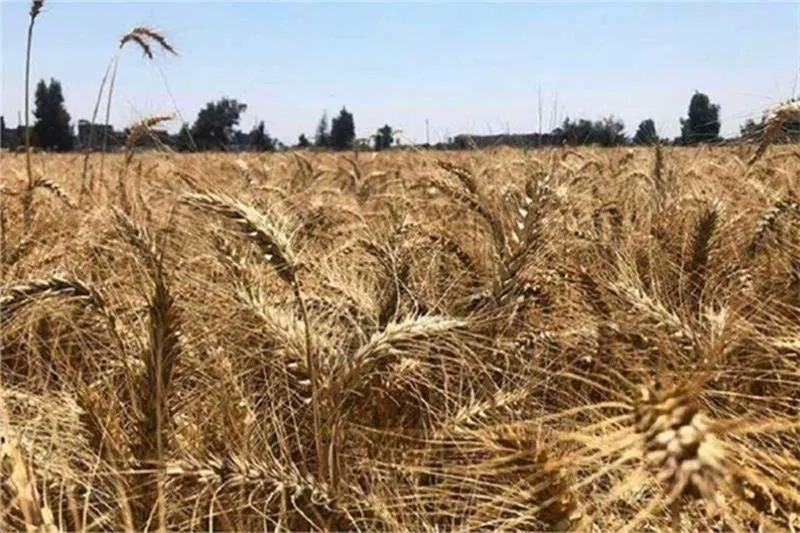
Egypt's strategic wheat reserves are secure and sufficient to meet domestic needs for several months, the cabinet's media centre said on Monday, citing the Ministry of Supply and Internal Trade. The ministry reported that higher domestic wheat production had strengthened reserves, reducing the need for imports and helping protect local supplies from volatility in global wheat markets.
The government received nearly five million tons of locally grown wheat during the 2026 procurement season, supported by an increase in cultivated areas. The ministry said the state was continuing efforts to secure basic commodity supplies, and that the government had set a procurement target of five million tons for the season. By mid-May, local wheat procurement had exceeded 3.2 million tons, or 64 percent of the target.
Wheat is a staple of Egypt's subsidized food system, with the subsidized baladi bread programme serving about 71 million people. Egypt remains a major wheat importer, so maintaining reserves helps protect supplies from disruptions and price fluctuations in global markets. In June, Agriculture Minister Alaa Farouk said wheat imports had fallen to 12.5 million tons from 13.2 million tons in the previous fiscal year, while domestic production exceeded 10 million tons.
The ministry said it was following a forward-looking plan to maintain safe reserve levels and respond flexibly to changes in domestic and international markets. In April, officials said strategic commodity reserves were at reassuring levels amid global supply-chain disruptions. The ministry also said it was expanding the use of digital systems to manage silos and link the different stages of the wheat supply chain.
The technology allows real-time monitoring of wheat stocks and movements, as well as withdrawal and replenishment rates. It also facilitates data sharing between relevant agencies, improves operating efficiency, and helps reduce waste. The government has previously outlined plans for automated silo management, and the ministry said it was monitoring global markets, prices, and supply chains.
The ministry regularly reviews procurement plans, contracts, and their timing to ensure the availability of essential commodities and maintain market stability. The cabinet's media centre urged citizens to verify information with the relevant authorities before sharing it, warning that inaccurate reports could cause public confusion.
Egypt's wheat reserves are being bolstered by increased domestic production and efficient management of supplies. The government's efforts to secure basic commodity supplies and maintain safe reserve levels aim to protect the country's food security and maintain market stability.
Key points
- Egypt's strategic wheat reserves are sufficient to meet domestic needs for several months.
- The government received nearly five million tons of locally grown wheat during the 2026 procurement season.
- Egypt remains a major wheat importer, and maintaining reserves helps protect supplies from disruptions and price fluctuations in global markets.