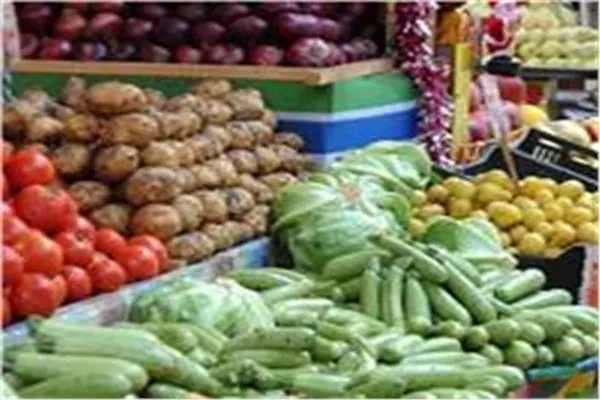
Egypt's Obour Market, a major wholesale hub for fruits and vegetables, reported stable prices for various vegetables on October 2. The prices of tomatoes ranged between 7 and 15 Egyptian pounds per kilogram. This stability is notable amid fluctuations in the market. The Egyptian government has been working to support farmers through initiatives like providing easy loans for expanding greenhouse cultivation.
The prices of potatoes at Obour Market ranged from 13 to 20 Egyptian pounds per kilogram. Onions, a staple in Egyptian cuisine, were priced between 13 and 17 Egyptian pounds per kilogram for white onions and 13 to 16 Egyptian pounds per kilogram for red onions. These prices reflect a balance between wholesale and retail rates. The government's efforts to support farmers include easing procedures for greenhouse licensing.
Other vegetables, such as zucchini, carrots, eggplants, and peppers, also showed stable prices. Zucchini was priced between 14 and 20 Egyptian pounds per kilogram, while carrots without tops ranged from 10 to 20 Egyptian pounds per kilogram. The prices of eggplants varied by type, with local eggplants costing between 6 and 9 Egyptian pounds per kilogram and Roman eggplants between 3 and 6 Egyptian pounds per kilogram.
The Egyptian government continues to prioritize the agricultural sector, recognizing its crucial role in the nation's economy. By providing financial support and simplifying regulatory procedures, the government aims to empower farmers. This support is vital, especially during periods of climate change that can adversely affect crop yields.
The stability in vegetable prices at Obour Market is a positive indicator for consumers and the broader economy. With the government's ongoing support for farmers, there is potential for sustained agricultural productivity. This, in turn, can contribute to economic stability and growth.
Egypt's agricultural sector faces challenges, including climate change impacts and the need for sustainable practices. The government's initiatives to support farmers are critical in addressing these challenges. By investing in the agricultural sector, Egypt can work towards food security and economic resilience.
The pricing trends at Obour Market reflect the dynamic nature of Egypt's agricultural economy. With stable vegetable prices and government support for farmers, there is optimism for the sector's future. Continued efforts to enhance agricultural productivity and sustainability will be essential for Egypt's economic development.
Key points
- The Egyptian government is supporting farmers through initiatives like easy loans for expanding greenhouse cultivation.
- Vegetable prices at Obour Market on October 2 showed stability, with slight variations in wholesale and retail rates.
- Egypt's agricultural sector plays a crucial role in the nation's economy, with the government prioritizing its development.