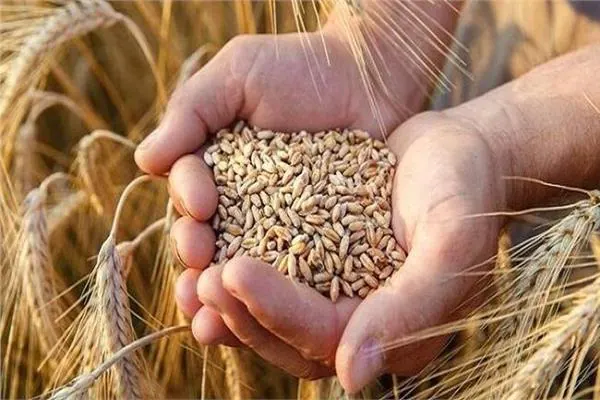
The Egyptian government has assured citizens that the country's strategic wheat reserves are safe and adequate to meet their needs for several months. The Ministry of Supply and Internal Trade confirmed that the reserves are secure, dispelling concerns over a potential shortage. This comes after claims circulated about the impact of reduced wheat imports on Egypt's strategic reserves.
According to the Ministry of Supply and Internal Trade, Egypt's strategic wheat reserves have been bolstered by an increase in domestic production. The government raised the price of wheat purchased from farmers, encouraging them to increase their yields. As a result, the government procured nearly 5 million tons of local wheat during the 2026 harvest season. This increase in domestic production has reduced Egypt's reliance on imports.
The Ministry of Supply and Internal Trade attributed the success in securing wheat reserves to the government's efforts to support local farmers. By increasing the price of wheat purchased from farmers, the government incentivized them to produce more. Additionally, the ministry noted that Egypt's strategic reserves are being managed efficiently, with the use of digital systems and technology to monitor wheat stocks and movement.
Egypt's Ministry of Supply and Internal Trade is working to maintain a secure and stable supply of essential goods. The ministry is committed to ensuring that citizens have access to necessary commodities, including wheat. To achieve this, the ministry is implementing a comprehensive plan to manage the country's strategic reserves and ensure their sustainability.
The Egyptian government is taking a proactive approach to managing its strategic wheat reserves. The Ministry of Supply and Internal Trade is continuously monitoring global market trends and supply chains to anticipate potential disruptions. This enables the government to respond quickly to changes in the market and maintain a stable supply of wheat.
The government is also investing in technology to improve the management of its strategic reserves. Digital systems are being used to track wheat stocks, monitor movement, and optimize distribution. This increased efficiency will help reduce waste and ensure that wheat is allocated effectively.
The Ministry of Supply and Internal Trade has urged citizens not to spread misinformation about the country's strategic wheat reserves. The ministry encourages citizens to verify information through official channels before sharing it, to avoid causing unnecessary panic.
Key points
- Egypt's strategic wheat reserves are secure and sufficient to meet citizens' needs for several months.
- The government has increased domestic wheat production by raising the price of wheat purchased from farmers.
- Egypt is using digital systems and technology to manage its strategic wheat reserves and ensure their sustainability.