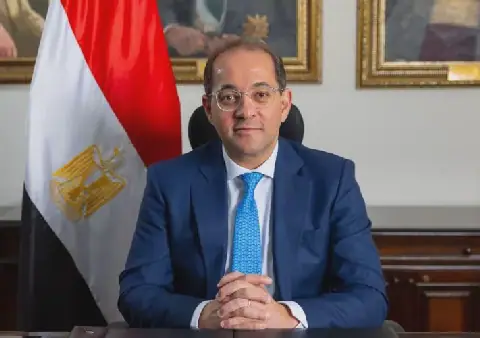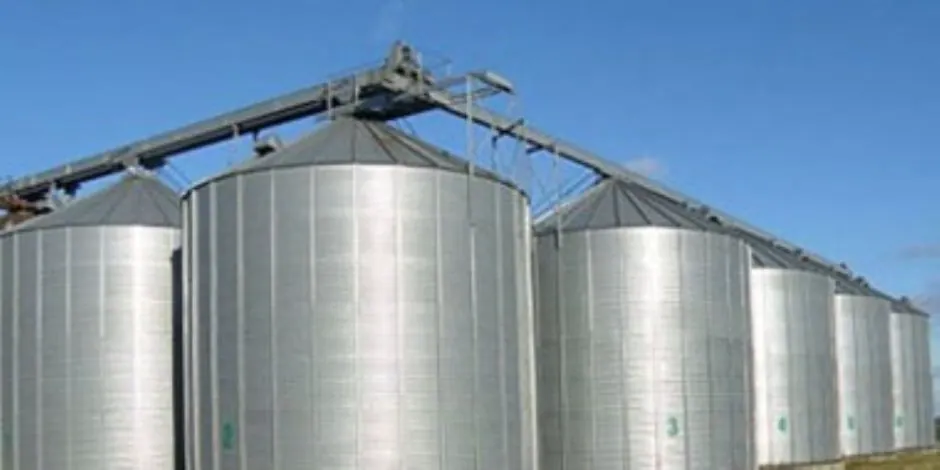
Egypt's Ministry of Supply and Internal Trade has confirmed that the country's strategic food reserves are secure for over 6 months, with some staples like sugar lasting over 10 months. According to Dr. Ahmed Kamal, Assistant Minister of Supply and spokesperson for the ministry, this achievement is a result of the government's proactive measures to address global crises and supply chain disruptions since 2020. The ministry, in coordination with the Agriculture Ministry and Future of Egypt, has formed a "triangle of food security" that has ensured a stable supply of essential goods.
Dr. Kamal highlighted that Egypt's annual wheat consumption stands at 20-21 million tons, with 9 million tons allocated to the subsidized food distribution system. The government supports local farmers by purchasing their produce at a set price of 2,500 pounds per ardeb, which is equivalent to over 15,000 pounds per ton. This year, the government has received around 5 million tons of locally produced wheat. The ministry has also diversified its wheat imports to over 22 countries, reducing its reliance on Russia and Ukraine.
The Ministry of Supply has implemented a robust distribution network, comprising 40,000 retail outlets and 1,060 consumer complexes, to provide subsidized goods to around 65 million beneficiaries, or 24 million households. Dr. Kamal emphasized that the prices of subsidized goods have remained unchanged for two years, with items like sugar, oil, and pasta sold at significantly lower prices than in the open market.
The subsidized food program offers sugar at 12.60 pounds per unit, compared to 25-30 pounds in the free market, and oil at 30 pounds per unit, versus 55-60 pounds outside the program. Pasta is sold at 8.5 pounds per unit, against 11-12 pounds in the open market. This support helps protect the purchasing power of low-income households.
Dr. Kamal stressed that the Ministry of Supply is committed to serving all citizens, not just those with ration cards. The ministry has launched initiatives like "One-Day Markets" to provide affordable goods to a wider audience. These markets have been organized in three phases, targeting 600 locations. Additionally, the ministry has partnered with the Holding Company for Food Industries to establish 284 retail outlets across 190 centers in Egypt.
The Ministry of Supply has also taken steps to prevent monopolistic practices and ensure fair competition. By increasing the availability of subsidized goods and promoting market transparency, the ministry aims to stabilize prices and protect consumers. Dr. Kamal emphasized that the government's proactive approach has helped shield the local market from global price fluctuations.
The strategic food reserve is part of Egypt's broader efforts to ensure food security and stability. With the support of the Agriculture Ministry and Future of Egypt, the Ministry of Supply will continue to monitor the food market and adjust its strategies as needed to maintain a stable supply of essential goods. Key initiatives will focus on sustaining the strategic reserve, supporting local farmers, and providing affordable goods to all Egyptians.
Key points
- Egypt's strategic food reserves exceed 6 months for staple goods.
- The government supports local farmers by purchasing their produce at a set price.
- Subsidized food prices have remained unchanged for two years.