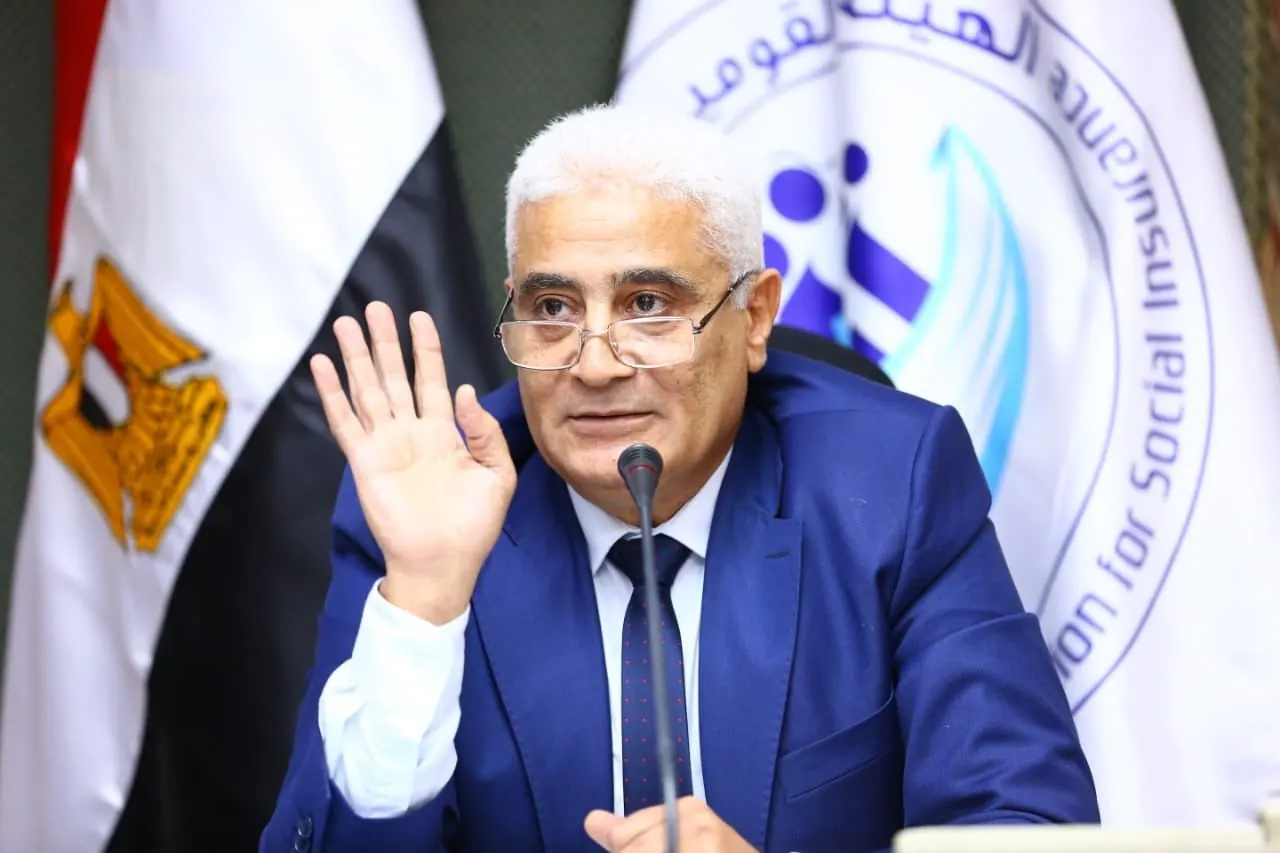
Egypt's National Social Insurance Fund achieved significant investment returns of 136 billion pounds in the fiscal year that ended on June 30. The fund's resources come from subscribers' contributions, investment returns, and a subsidy from the state treasury. According to the fund's head, Major General Jamal Awad, the fund collects around 250 billion pounds from approximately 14 million subscribers.
The fund also has a substantial reserve, often referred to as a "lifetime savings," which is invested to generate returns. These investments are crucial in supporting the fund's operations and ensuring its sustainability. Awad highlighted that the fund's resources are diversified, including subscriber contributions, investment returns, and state subsidies. This diversified approach helps mitigate risks and ensures a stable financial foundation for the fund.
Awad emphasized that the fund's financial performance is closely tied to the state's support for the social insurance system. He noted that the fund's assets were previously disputed, with a total value of around 696 billion pounds, or nearly 700 billion pounds. The Egyptian government began repaying the fund's assets following a historic decision by the President on March 31, 2019, to obligate the government to refund the insurance funds.
The repayment process is structured over 50 years, with an increasing annual installment. In 2019, the first installment was 160.5 billion pounds, while in the fiscal year ending June 30, 2026, the installment reached 238 billion pounds. Awad explained that the returns on investment are calculated using actuarial assumptions prepared by an independent actuary.
Historically, the fund's assets were deposited in the National Investment Bank, as stipulated by law. The 1980 law mandated that surplus funds be deposited in the bank, which was expected to finance the state's investment plan. Awad clarified that the fund received interest on its deposits at the prevailing market rate, which was around 6% in 1980.
While the fund received returns on its investments, there were instances where the returns were lower than market rates. Awad noted that if the market interest rate was 12%, but the fund received only 8% from the National Investment Bank, there would be a difference in returns. To address this, actuarial calculations were performed to determine the differences in returns.
These calculations aimed to compensate for the differences in investment returns in previous years and to restore the fund's assets to their original state. Awad's statements highlight the fund's efforts to optimize its investment returns and ensure its long-term sustainability. The fund's performance and strategy are critical in supporting Egypt's social insurance system and providing financial security to its subscribers.
Key points
- The fund achieved 136 billion pounds in investment returns in the last fiscal year.
- The fund's resources come from subscriber contributions, investment returns, and state subsidies.
- The government began repaying the fund's assets in 2019, with a structured repayment plan over 50 years.