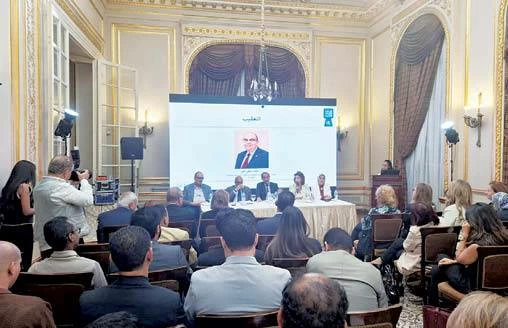
Egypt's economic growth is hindered by a low savings rate, with the country's savings dilemma posing a significant challenge to its development. According to Dr. Mahmoud Mohieldin, UN Special Envoy for Financing Sustainable Development, the government's savings rate is critical, and it is not being monitored as closely as it should be. Mohieldin likened the government to a man wearing a robe with no pockets, yet trying to establish projects by reaching into others' pockets.
The country's economic model is also a major concern, with Mohieldin stating that it favors public investment over private sector involvement. He emphasized that various factors contribute to low savings rates, including demographics, public finance policies, insurance and pension systems, tax policies, and the nature of the stock market and insurance sector. These factors can either encourage or discourage savings, and Egypt's current model is not conducive to growth.
The savings rate in Egypt has been declining, with the country's domestic savings rate dropping to 1.2% in 2025, a significant decrease. Dr. Ahmed Kujuk, Minister of Finance, stated that the private sector's participation in development is higher than in many other countries. However, he noted that the real challenge lies in generating revenue, not reducing expenditure. Kujuk emphasized that increasing exports, competitiveness, and quality, as well as opening new markets, are essential for economic growth.
Experts agree that the key to addressing Egypt's savings dilemma lies in encouraging private sector involvement and promoting a culture of savings. Dr. Najwa Smak, an economics professor, stressed that generating surplus in various economic sectors is crucial. She noted that the majority of households in Egypt spend over 85% of their income, leaving little room for savings. Smak also highlighted that the number of households saving 20% or more of their income has decreased, while those struggling to make ends meet have increased.
The private sector has expressed concerns about the current economic climate, with Ashraf Mousa, CEO of Fori, warning that the increase in deposits is lower than the demand for funds. He cautioned against repeating past mistakes that led to Egypt's reliance on the International Monetary Fund. Mousa emphasized the need for a more sustainable approach to economic growth, one that encourages private sector investment and promotes a culture of savings.
The government has been working to attract foreign investment, with the Egyptian Investment Authority set to announce the results of a World Bank study on foreign investment in Egypt. However, experts warn that bureaucratic hurdles and a negative image of the country may deter investors. The Egyptian economy has struggled to attract foreign investment, and the government must address these concerns to promote growth.
To address the savings dilemma, Egypt needs to adopt a comprehensive approach that promotes a culture of savings, encourages private sector involvement, and fosters economic growth. The government must work to create a favorable business environment, one that attracts investment and promotes competitiveness. By addressing these challenges, Egypt can overcome its savings dilemma and achieve sustainable economic growth.
Key points
- Egypt's low savings rate is a significant barrier to economic growth.
- The government's economic model favors public investment over private sector involvement.
- Encouraging private sector involvement and promoting a culture of savings are essential for addressing Egypt's savings dilemma.