Egypt's real estate market is entering a new phase characterized by greater diversity in funding sources. Developers are increasingly combining customer installments, bank facilities, securitization of receivables, and other capital sources. This shift is already underway, with six major real estate developers securing banking facilities worth up to 52.2 billion pounds from March 2025 to August 2026.
The need for additional funding sources stems from the time gap between collecting sales proceeds and expenditure needs for construction. Payment plans now extend to 8-12 years, while developers require capital throughout project implementation. The evolving role of developers creates new financing needs, as they develop integrated communities with internal roads, utilities, schools, healthcare facilities, and hospitality projects.
Securitization of receivables is gaining importance as a tool allowing developers to convert future cash flows from customer payments into liquid assets for development work. An example is a 30 billion-pound securitization program launched this year, starting with a 2.015 billion-pound issuance. This provides capital at various project lifecycle stages.
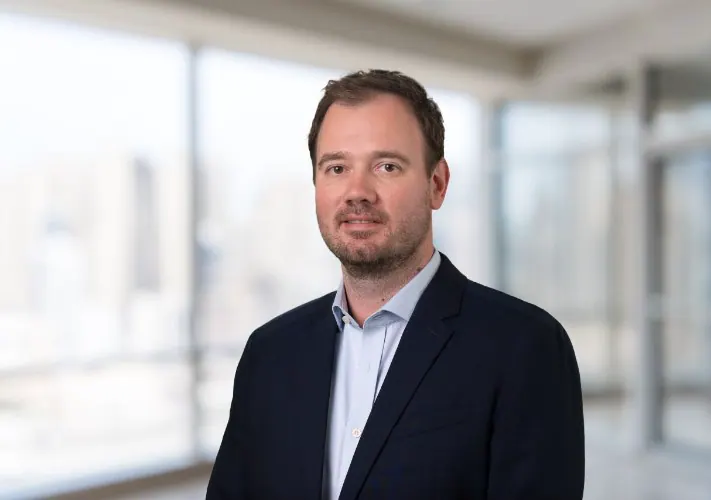
According to Katsubi Langer-Pageit, head of Savills Egypt, "Egypt's real estate development model has expanded significantly in size and ambition, with the financing system evolving in parallel. Sales contracts remain an important indicator of demand strength, but the timing of collecting these sales remains a key factor in determining liquidity levels throughout construction."
The real estate investment fund market in Egypt is witnessing significant growth, with six licensed funds having a total net asset value of 12.6 billion pounds at the end of the second quarter of 2026. There are also increasing requests to establish new funds under review by regulatory authorities. A Saudi-Egyptian alliance recently announced plans to launch a fund for investment in real estate and hospitality.
As the real estate financing system expands, transparency and financial discipline will become more crucial. Escrow accounts can play a pivotal role by depositing customer payments for projects sold on the map into dedicated accounts, with funds disbursed to developers gradually based on execution stages.
With greater diversity in funding sources, the Egyptian real estate sector is poised for growth, providing developers with greater flexibility, new investment pathways, and expanded financing options for buyers.
Key points
- Diversification of funding sources supports growth in Egypt's real estate sector
- Securitization of receivables gains importance in Egypt's real estate market
- Transparency and financial discipline become crucial with expanded financing system