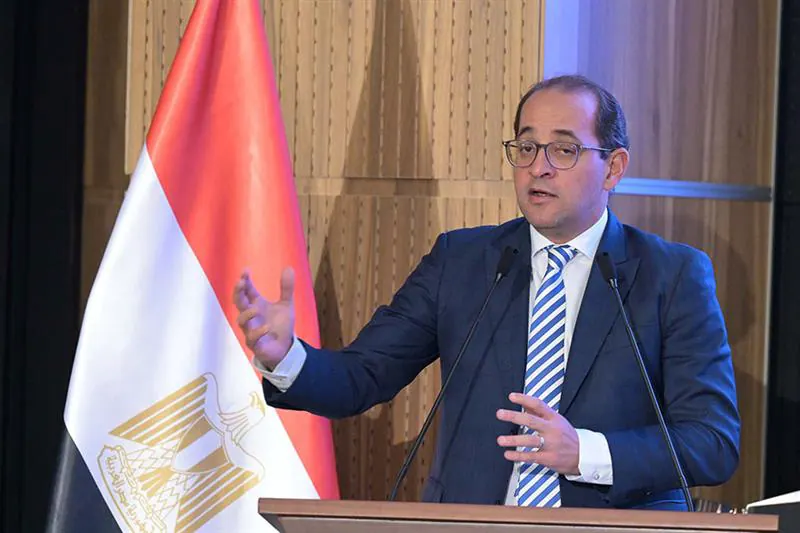
Egypt has recorded a primary budget surplus of 170 billion EGP in the first quarter of the 2025/26 fiscal year, according to Finance Minister Ahmed Kouchouk. This represents a significant increase from the 90 billion EGP surplus recorded in the same period last year. The primary surplus is a key indicator of a country's fiscal health, as it measures the difference between government revenues and expenditures, excluding debt interest payments.
The Egyptian government's efforts to implement economic reforms and a privatization program have contributed to the improved fiscal performance. Kouchouk stated that the public debt is decreasing, and tax revenues are increasing strongly. The minister made these remarks during a meeting with the American Chamber of Commerce, held on the sidelines of the International Monetary Fund (IMF) and World Bank meetings in Washington.
The primary surplus is a positive indicator of Egypt's economic stability, demonstrating the government's ability to generate revenue beyond its current expenditures. According to the Council of Ministers, the preliminary indicators for the first quarter of 2025/26 reflect a balanced and stable economic performance. This is attributed to economic activity, an expanded tax base, and effective management of relations with taxpayers.
Kouchouk emphasized that Egypt's economy is progressing positively, driven by a more competitive business environment and a growing private sector. The government is committed to implementing economic and financial reforms, as well as providing tax and customs facilities to attract more private investment. The minister also highlighted the importance of creating a climate of trust and partnership with the business community.
The Egyptian government aims to strengthen partnerships with American companies and encourage investments in the national economy. Kouchouk noted that the economic reform program is progressing positively, which has been reflected in market perceptions, investor confidence, and international rating agencies' assessments. The IMF has been informed of the reforms implemented and the good results achieved during the last fiscal year.
The privatization program is expected to open new channels for private sector participation and investment in various sectors, including airports, insurance, and telecommunications. The government is also studying financial and non-financial incentives to encourage companies to list on the stock exchange and increase transaction volumes. Kouchouk expressed confidence that the Egyptian market can attract hundreds of new private companies with strong returns for investors.
Egypt's economic growth is expected to be driven by a healthy dynamic, led by the private sector, with a focus on industrialization and exports. The government remains committed to supporting inclusive and sustainable growth. According to Kouchouk, the country's economic indicators are improving, and the government is working to create a favorable business environment to attract investments.
Key points
- Egypt's primary budget surplus reached 170 billion EGP in Q1 of 2025/26.
- The government's economic reform program is progressing positively.
- Egypt aims to strengthen partnerships with American companies and encourage investments in the national economy.