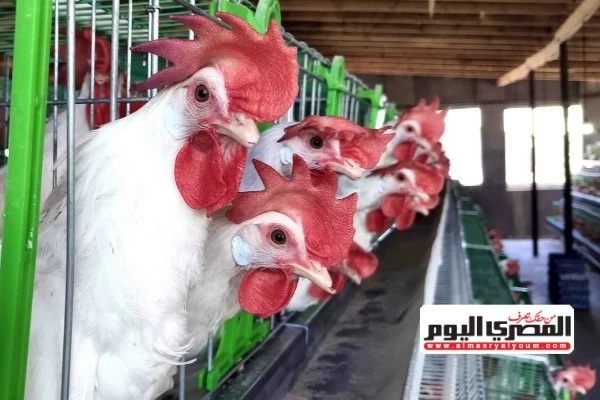
Egypt has seen a recent surge in poultry prices, with the cost of a kilogram reaching 85 pounds. This increase has been accompanied by a rise in sales prices from farms. Many citizens are expressing concerns about the impact of these price hikes on their household budgets, as poultry and eggs are staple foods for many families. The price increase has led some individuals to reduce their purchases or seek more affordable alternatives.
The rising costs have affected the purchasing power of many households, with some citizens opting to buy only certain parts of the chicken, such as the carcass or wings, instead of more expensive cuts like breast or thighs. Some residents, such as those in the Bolak al-Dakroun neighborhood, have reported purchasing chicken carcasses for 50 pounds per kilogram to make soup for their families. This shift in consumer behavior reflects the financial strain caused by the price increases.
Many Egyptians are feeling the pinch of the price hikes, with some stating that it has become challenging to afford basic necessities like poultry and eggs. A government employee noted that the increases are not limited to poultry, but also affect other essential items, making it difficult for households to manage their budgets. Citizens are calling for price stability in the coming period to alleviate the financial burden.
According to Abdel Aziz El-Sayed, head of the Poultry Breeders Association at the Egyptian Federation of Chambers of Commerce, poultry prices from farms have reached around 75-76 pounds per kilogram. He stated that breeders have incurred losses during the past period, as prices were not sufficient to cover their costs. The current price increase aims to achieve a balance between producers and consumers.
El-Sayed noted that it is challenging to predict future price trends with certainty. However, he emphasized that the current prices are an attempt to strike a balance between the interests of producers and consumers. The poultry industry has faced several challenges in recent times, including fluctuations in feed prices and disease outbreaks.
The price increase has led to a change in consumer behavior, with many opting for cheaper alternatives or reducing their purchases. Some households have reported buying chicken wings or carcasses instead of more expensive cuts. This shift in consumer behavior is a reflection of the financial strain caused by the price increases.
The Egyptian government and industry stakeholders are working to address the challenges facing the poultry sector. However, the current prices are expected to remain in place for the time being. Citizens are hoping for price stability in the coming period to alleviate the financial burden.
Key points
- Poultry prices in Egypt have increased to 85 pounds per kilogram.
- Breeders have reported losses during the past period due to low prices.
- The current price increase aims to achieve a balance between producers and consumers.