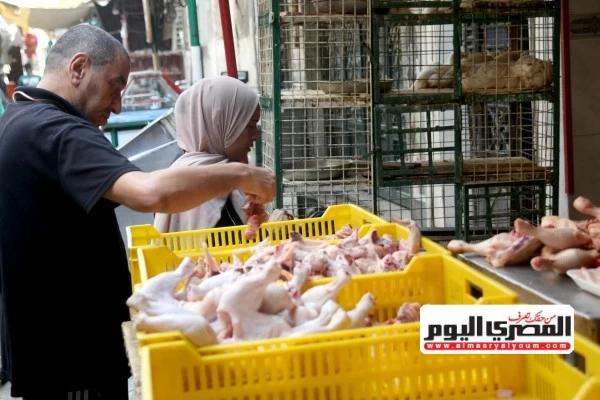
Egypt's poultry market has seen a significant increase in prices, driven by a rise in imported feed costs and a decline in the number of producers. According to Dr. Abdulaziz El-Sayed, head of the Cairo Chamber of Commerce's poultry division, prices have increased substantially in recent days. The surge is attributed to the exit of several producers from the industry and a notable increase in feed prices.
The current price of poultry from farms stands at 72 Egyptian pounds per kilogram, up from 67 pounds, while the consumer price ranges between 82 and 85 pounds per kilogram, up from 78 pounds. This increase is expected to impact consumers, who may face higher prices for poultry products. The price hike has been linked to the rise in raw material costs for feed, which accounts for approximately 70% of poultry production costs.
The cost of soybeans, a key feed component, has increased to 27,000 Egyptian pounds per ton, up from 23,000 pounds, while corn prices have risen to 15,000 pounds per ton, up from 13,000 pounds. These price hikes have resulted in significant losses for some producers, leading to their exit from the industry. This reduction in production capacity is likely to further drive up prices.
Dr. El-Sayed has called on relevant authorities, including the Ministries of Supply and Agriculture, the Chamber of Commerce, and the Union of Poultry Producers, to reintroduce a pricing mechanism. He advocates for a fair and transparent system to regulate prices and mitigate the impact of price fluctuations on both producers and consumers.
Looking ahead, Dr. El-Sayed expects poultry prices to continue rising, driven by seasonal factors such as increased heating costs during winter and the impact of diseases on production. The ongoing price surge may lead to decreased consumer purchasing power and altered consumption patterns.
The Egyptian poultry industry is facing significant challenges, including increased production costs and a decline in producers. To address these challenges, stakeholders are urging the government to implement measures that support producers and maintain price stability. The industry's future performance will depend on the effectiveness of these measures.
The current poultry price surge highlights the complexities of Egypt's poultry market, which is influenced by both local and international factors. As the industry continues to navigate these challenges, market participants will be closely monitoring price trends and production levels to assess the sector's prospects.
Key points
- Egypt's poultry prices are expected to rise due to increased feed costs and a decline in producers.
- The poultry industry is calling for a fair and transparent pricing mechanism to regulate prices.
- Seasonal factors and disease impacts may further drive up poultry prices in the coming months.