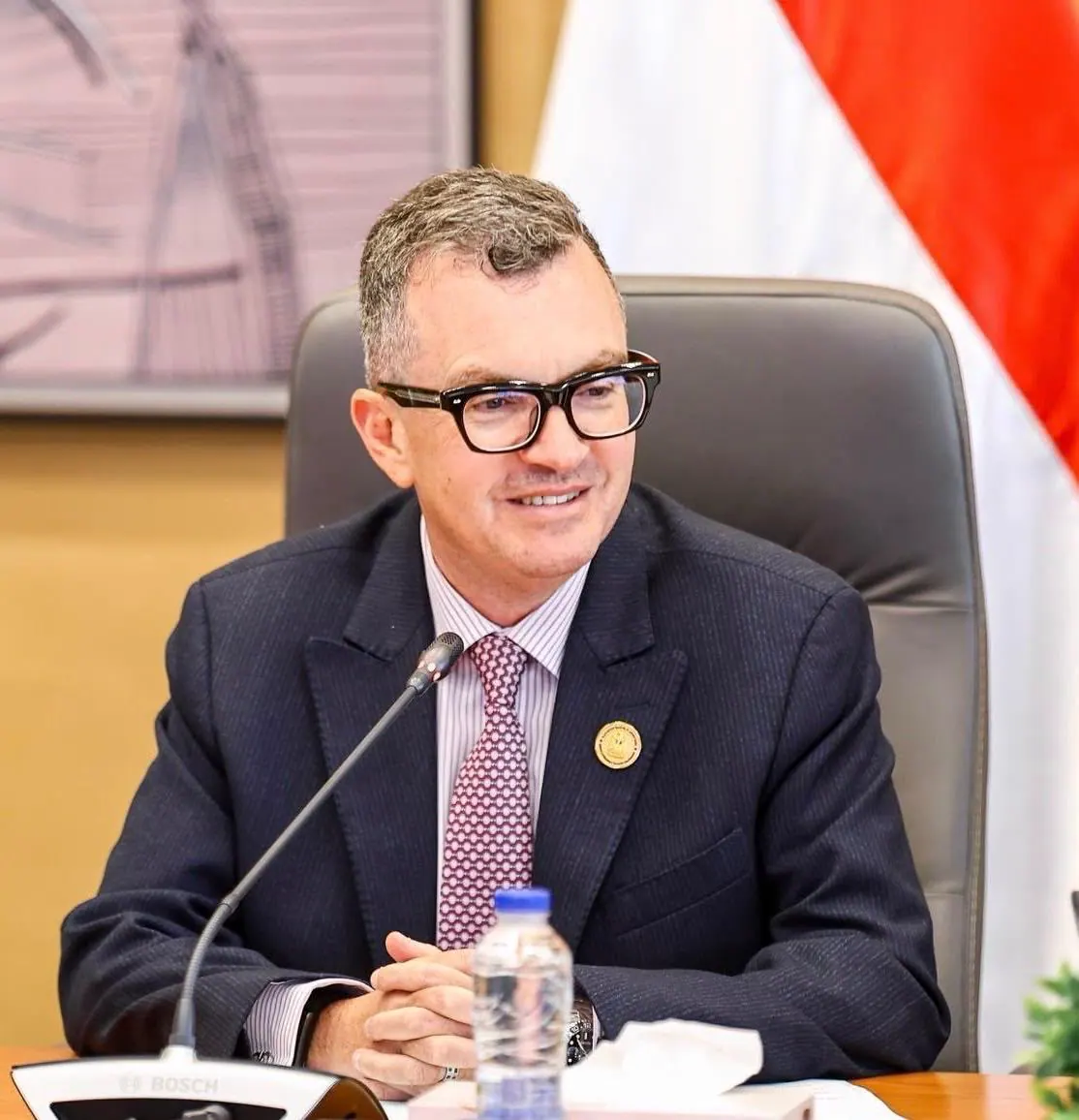
Egyptian Minister of Planning and Economic Development, Ahmed Rostom, recently met with a high-level delegation of executives from Fitch Ratings. The meeting aimed to review the latest indicators of Egypt's economic performance and discuss the government's efforts to advance economic and structural reforms. These reforms are crucial amid ongoing geopolitical and regional challenges. The discussions focused on Egypt's economic growth, sectoral performance, and macroeconomic indicators.
During the meeting, Rostom highlighted Egypt's economic growth rate of 5.1% in the fiscal year 2025/2026. This represents an increase from the previous fiscal year's growth rate of around 4.4%. The growth was driven by strong performance across various sectors, including non-petroleum manufacturing and communications and information technology. These sectors have high added value and contributed significantly to the country's economic recovery.
The transport and logistics sector also demonstrated resilience, with continued growth in Suez Canal revenues and activity. This growth occurred despite exceptional challenges affecting shipping in the region. Rostom emphasized that this resilience showcases the Egyptian economy's ability to withstand external shocks. The sector's performance is a positive indicator of the economy's overall health and stability.
Rostom also discussed positive developments in key macroeconomic indicators. Government policies have helped reduce inflation, which reached 12.7% in August 2026. Additionally, unemployment rates fell to 5.8% in the second quarter of 2026. These indicators underscore the resilience of the labor market and the economy's ability to create jobs. The government's policies have contributed to a more stable economic environment.
The minister stressed the government's commitment to implementing its economic and structural transformation program. This program aims to enhance competitiveness and create an attractive investment environment. The government has adopted a package of measures and policies to support both domestic and foreign private-sector investment. These policies focus on export-oriented, productive, and labor-intensive sectors.
Rostom noted that the ultimate objective of these reforms is to improve living standards for Egyptian citizens and provide higher-quality services. The government aims to ensure that economic development and growth translate into tangible benefits for its citizens. The minister's discussions with Fitch Ratings executives also covered the economic outlook and future growth prospects.
The minister forecasted that the economic recovery would continue, with growth expected to reach between 5.2% and 5.4% during the current fiscal year. This expected improvement is attributed to anticipated expansion in private-sector investment and positive progress in promising economic sectors. The government's efforts to create a favorable investment environment are crucial to achieving these growth projections.
Key points
- Egypt's economy achieved a growth rate of 5.1% in FY2025/2026.
- The country's inflation rate reached 12.7% in August 2026.
- Unemployment fell to 5.8% in the second quarter of 2026.