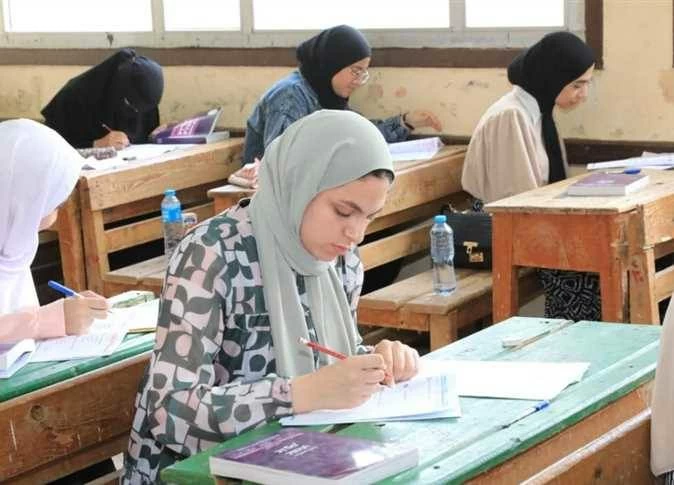
The Egyptian Ministry of Education and Technical Education has announced the introduction of a new Baccalaureate system, set to take effect in the 2026-2027 academic year. This new system aims to provide students with a more specialized and career-oriented education. The Baccalaureate program will be divided into four main tracks: Medicine and Life Sciences, Engineering and Computer Science, Business, and Arts and Humanities. Each track will have its own set of specialized subjects and will be designed to prepare students for specific university programs.
In the first year of the new Baccalaureate system, students will follow a common curriculum that includes core subjects such as Arabic, History, Foreign Languages, Philosophy, Mathematics, and Science. This foundation year is designed to provide students with a broad base of knowledge and skills before they choose their specialized track. The second and third years will focus on track-specific subjects, with an emphasis on developing advanced skills and knowledge in the chosen field.
The new Baccalaureate system will assess students through a combination of continuous evaluation and final exams. Students will be required to pass a set of core subjects, including Religious Education, which will not be included in the final score but will be a requirement for graduation. The final score will be based on the student's performance in their track-specific subjects, with a total of 600 marks available.
One of the key features of the new Baccalaureate system is the opportunity for students to take multiple attempts at their exams. Students will have the chance to retake exams without incurring additional fees, and there will be a separate fee for subsequent attempts. This aims to reduce the pressure on students and provide them with more opportunities to demonstrate their knowledge and skills.
To be eligible to take the Baccalaureate exams, students must meet certain requirements, including completing a set of continuous assessments and achieving a minimum score of 60% in each subject. Students who meet these requirements will be able to take the exams, which will be held at the end of each academic year.
Students will have the flexibility to change their track under certain conditions and within specific timelines set by the Ministry of Education. However, changing tracks will require students to meet specific academic requirements and may involve additional coursework.
The new Baccalaureate system is designed to provide students with a more specialized education that prepares them for specific careers and university programs. The system will also provide students with more opportunities to demonstrate their knowledge and skills, and will be more closely aligned with the needs of the labor market.
Key points
- The new Baccalaureate system will have four main tracks: Medicine and Life Sciences, Engineering and Computer Science, Business, and Arts and Humanities.
- Students will have the opportunity to take multiple attempts at their exams, with a separate fee for subsequent attempts.
- The final score will be based on the student's performance in their track-specific subjects, with a total of 600 marks available.