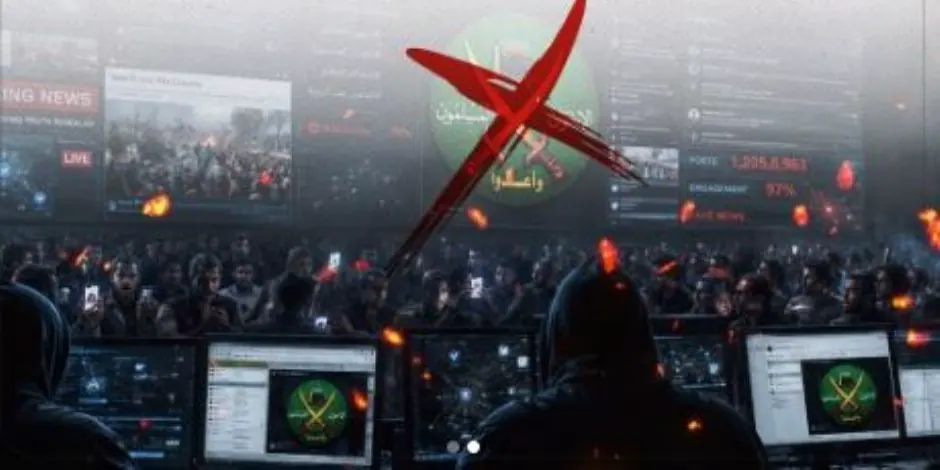
The Muslim Brotherhood in Egypt has developed a complex media and digital system to spread its ideology and propaganda. This system involves multiple levels of media presence, including social media platforms, websites, and television channels. The Brotherhood uses these platforms to disseminate misinformation and lies to a wider audience. According to a report by Sawt Al-Umma, the Brotherhood's media system has become more sophisticated, with a focus on digital platforms.
Hamza Zobea, a prominent Brotherhood figure, has been linked to several media platforms that promote the group's ideology. Zobea has been accused of using these platforms to spread misinformation and incite violence against the Egyptian state. He has been sentenced to life imprisonment in absentia for his role in the Brotherhood's media system. The Egyptian authorities have also designated him as a terrorist.
Another key figure in the Brotherhood's media system is Saheb Abdel Maqsoud. Abdel Maqsoud has been linked to the group's youth wing and has played a significant role in promoting the Brotherhood's ideology on social media platforms. He has used these platforms to spread misinformation and propaganda, often using hashtags and fake accounts to amplify his message.
Saheb Al-Kashif is another prominent Brotherhood figure who has used digital platforms to promote the group's ideology. Al-Kashif has created a YouTube channel and social media accounts that promote the Brotherhood's views and ideology. His channel and accounts have attracted a significant following, particularly among young people.
The Brotherhood's use of digital platforms has created internal conflicts within the group. The group's leadership has struggled to maintain control over its media presence, with different factions vying for influence. This has led to a proliferation of different media platforms and channels, each promoting its own brand of Brotherhood ideology.
The Brotherhood's media system has become increasingly fragmented, with different factions and individuals promoting their own agendas. This has created a situation where the group's message is often contradictory and confusing. The Egyptian authorities have accused the Brotherhood of using its media system to spread misinformation and incite violence.
The Muslim Brotherhood's use of digital platforms has significant implications for the group's ideology and tactics. The group's reliance on digital platforms has created new challenges for the Egyptian authorities, which must now contend with a complex and sophisticated media system. The Brotherhood's use of digital platforms has also created internal conflicts within the group, as different factions vie for influence and control.
Key points
- The Muslim Brotherhood uses digital platforms to spread misinformation and lies.
- The group's media system has become increasingly fragmented, with different factions and individuals promoting their own agendas.
- The Brotherhood's use of digital platforms has significant implications for the group's ideology and tactics.