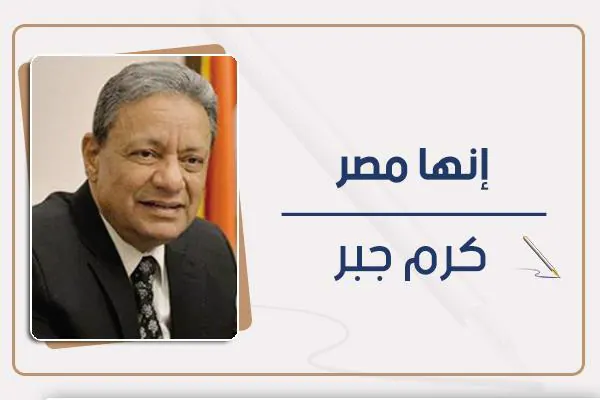
The Muslim Brotherhood in Egypt appears to be living in a state of self-deception, clinging to the unrealistic hope of regaining power. According to analyst Karm Jabr, the Brotherhood's leadership continues to delude itself into believing that the Egyptian people are waiting for their return. However, this ignores the significant changes that have taken place in the country since the Brotherhood's ousting from power. The past 15 years have seen a profound shift in the Egyptian landscape, with the country emerging from a period of turmoil and instability.
Despite the Brotherhood's continued rhetoric about "restoring the revolution," the reality on the ground is starkly different. The group's attempts to portray Egypt as a country in chaos have been met with skepticism, as the country has made significant strides in recent years. Egypt has established itself as a regional power, with a strong and capable military, and has made significant progress in rebuilding its institutions. The Brotherhood's own actions, including its support for terrorist groups, have contributed to the country's instability and undermined its legitimacy.
The Brotherhood's ideology, which seeks to impose an extremist interpretation of Islam on Egyptian society, has been widely rejected by the Egyptian people. The group's attempts to play on the sympathies of foreign powers have also been met with skepticism, as its actions have been seen as a threat to national security. The Egyptian people have made it clear that they will not tolerate the Brotherhood's ideology, and the group's attempts to return to power are seen as a threat to the country's stability.
One of the key factors that has contributed to the Brotherhood's decline is its own actions. The group's support for terrorist groups, including those that have carried out attacks on Egyptian civilians, has undermined its legitimacy and alienated many Egyptians. Additionally, the Brotherhood's leadership has been criticized for its authoritarian and repressive tactics, which have created a culture of fear and intimidation within the organization.
The Brotherhood's decline has also been driven by internal divisions and power struggles. The group's leadership has been weakened by the loss of key figures, including some who have been killed or imprisoned. This has created a sense of uncertainty and confusion within the organization, which has struggled to adapt to changing circumstances. Despite these challenges, the Brotherhood remains a significant threat to Egyptian stability, and its continued rhetoric about "restoring the revolution" is seen as a worrying sign.
The Egyptian government has taken significant steps to counter the Brotherhood's ideology and prevent its return to power. These efforts have included a crackdown on terrorist groups and a campaign to promote national unity and stability. The government has also sought to address some of the underlying issues that contributed to the Brotherhood's rise, including poverty, unemployment, and social inequality. These efforts have helped to reduce support for extremist groups and promote a more inclusive and tolerant society.
In conclusion, the Muslim Brotherhood's continued clinging to unrealistic dreams of power is a worrying sign for Egyptian stability. The group's ideology has been widely rejected by the Egyptian people, and its actions have contributed to the country's instability. The Egyptian government must remain vigilant in its efforts to counter the Brotherhood's ideology and prevent its return to power.
Key points
- The Muslim Brotherhood's ideology has been widely rejected by the Egyptian people.
- The group's support for terrorist groups has undermined its legitimacy and alienated many Egyptians.
- The Egyptian government has taken significant steps to counter the Brotherhood's ideology and prevent its return to power.