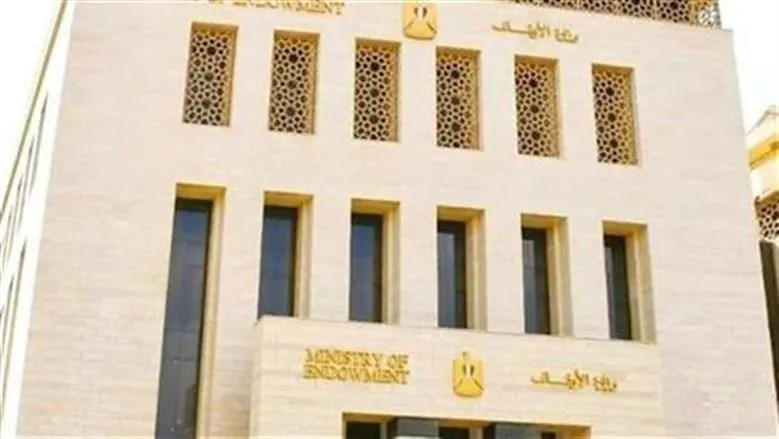
The Egyptian Ministry of Endowments has addressed the controversy surrounding energy drinks, stating that they cannot be judged as haram or halal based solely on their name or nature. The ministry emphasized that the Islamic ruling on these products depends on their ingredients, usage, and potential harm caused. This statement was published on the ministry's official website under the title "Energy Drinks and the Purpose of Preserving Life."
The Ministry of Endowments highlighted that preserving life is one of the five essential objectives of Islamic law, along with preserving religion, intellect, lineage, and wealth. The ministry cited Quranic verses, including "Do not throw yourselves into destruction" and "Do not kill yourselves." These principles guide the evaluation of food and drink products in Islam.
The ministry noted that energy drinks vary in their composition and amounts of stimulants and sugars. The health concerns associated with these products are often linked to caffeine and other stimulants, as well as high sugar content. The ministry stressed that describing these drinks as providing "energy" does not necessarily mean they provide health benefits.
According to the Ministry of Endowments, the feeling of alertness after consuming stimulants may be temporary and does not replace the need for sleep, rest, and balanced nutrition. The ministry emphasized that the original ruling on food and drink products is permissibility, unless there is a proven religious prohibition. However, this permissibility does not extend to intentionally causing harm to oneself.
If it is established by medical experts that a particular product causes harm or leads to significant harm when consumed in certain quantities, the Islamic ruling may change based on the extent of the harm. The ministry cited Dr. Hisham Rabie, a fatwa expert at the Egyptian Dar al-Ifta, who stated that Islamic law sets a general framework for what enters the human body, and if a product is medically proven to be harmful, it is not permissible to consume it.
The Ministry of Endowments concluded that the Islamic approach to energy drinks is based on knowledge and moderation. The ministry emphasized that it is not permissible to categorically prohibit all types of energy drinks, nor is it acceptable to ignore proven medical harms. The determining factor is the actual effect of the product, the degree of harm, and the method of consumption, within the framework of preserving life and protecting humans from harm.
Ultimately, the Ministry of Endowments' statement aims to provide guidance on the use of energy drinks in accordance with Islamic principles. The ministry's stance emphasizes the importance of considering both the potential benefits and harms of these products, as well as the need for informed and moderate consumption.
Key points
- The Egyptian Ministry of Endowments has stated that energy drinks cannot be judged as haram or halal based solely on their name or nature.
- The ministry emphasized that the Islamic ruling on energy drinks depends on their ingredients, usage, and potential harm caused.
- The ministry cited Quranic verses and medical expert opinions to support its stance on the permissibility of consuming energy drinks.