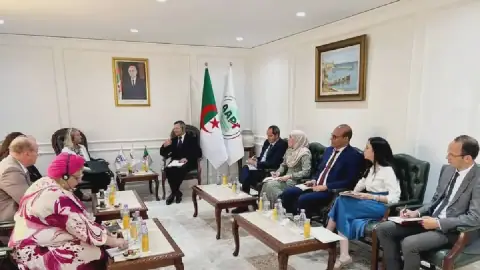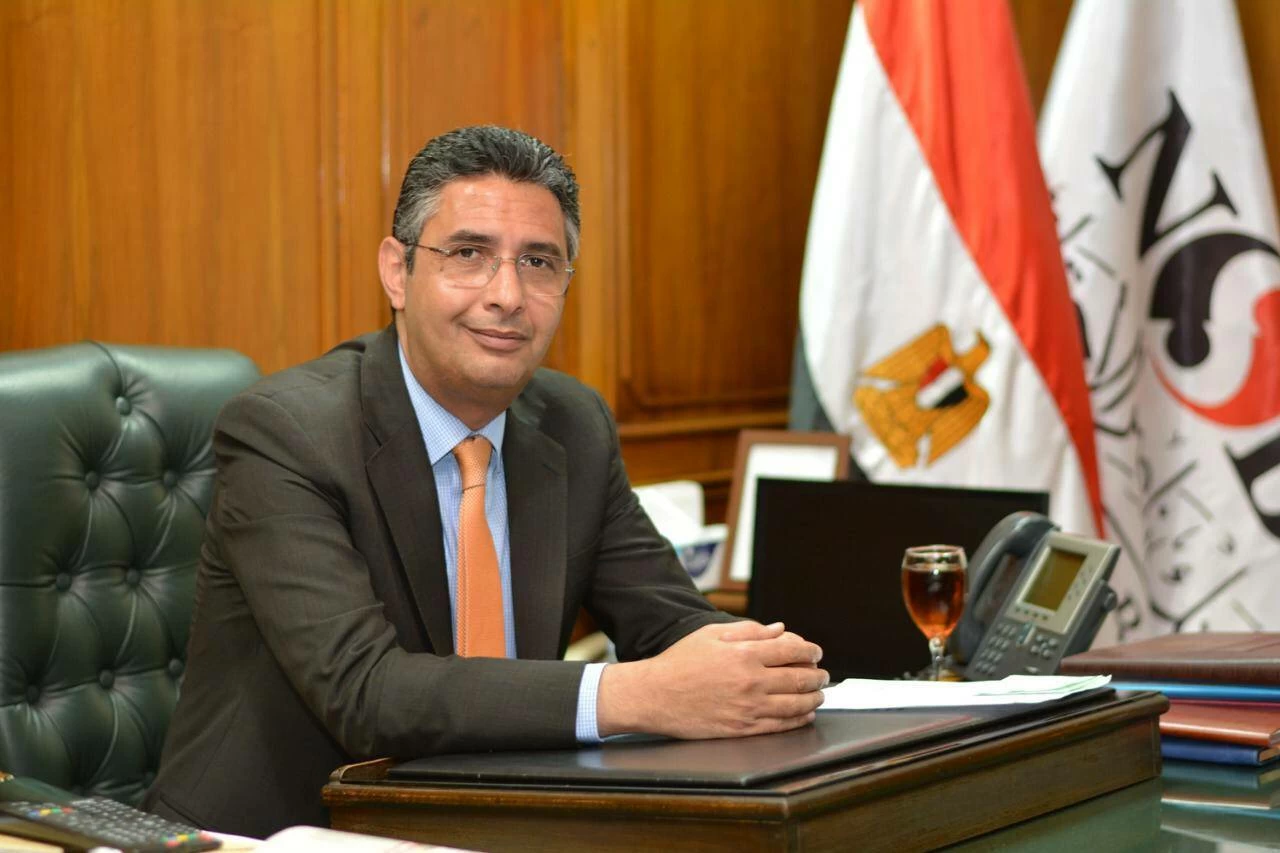
Egypt's Minister of Supply and Internal Trade, Dr. Sherif Farouk, recently led a meeting of the General Authority for Supply Commodities' board of directors. The meeting was attended by several high-ranking officials, including the Deputy Chairman of the General Authority for Supply Commodities, representatives from the Central Bank of Egypt, and various other ministries and institutions. The primary focus of the meeting was to discuss the current state of the strategic reserve and plans for securing essential commodities.
During the meeting, Dr. Farouk emphasized the crucial role of the General Authority for Supply Commodities in supporting Egypt's food security and ensuring a stable supply of basic commodities for citizens. He stressed the importance of maintaining a comprehensive and proactive approach to managing the strategic reserve and responding to potential changes in local and global markets. The Minister also highlighted the need for continuous monitoring of global market trends and supply chains.
The meeting also reviewed the current status of projects aimed at improving the governance of grain storage and distribution systems. These projects involve the implementation of digital tracking and monitoring systems to oversee the movement of grains from importation to storage and distribution. The goal is to enhance control over the grain supply chain, improve inventory management, and increase data accuracy.
Dr. Farouk instructed officials to continue expanding the use of digital and technological systems in managing grain silos and integrating data across the grain supply chain. This will enable real-time monitoring of grain movements, inventory levels, and withdrawal rates, ultimately supporting informed decision-making and improving operational efficiency.
The Minister emphasized the importance of ongoing coordination and collaboration between the General Authority for Supply Commodities and relevant agencies to ensure efficient commodity management and rapid response to emerging issues. He also directed officials to continue monitoring the strategic reserve of essential commodities and to maintain safe inventory levels.
The meeting's discussions also touched on the need for continuous follow-up on the implementation of food commodity supply programs and inventory management. This includes ensuring that citizens' needs are met across different governorates and that commodity supplies remain stable.
In conclusion, Dr. Farouk reiterated the importance of proactive planning to secure basic commodities, improve inventory management, and enhance governance and monitoring systems. He emphasized the need for sustained coordination among relevant agencies to support food security and maintain market stability.
Key points
- The Egyptian government is taking measures to secure basic commodities and tighten control over grain supplies.
- The Minister of Supply emphasized the importance of proactive planning and coordination among agencies to support food security.
- The government aims to improve inventory management and enhance governance and monitoring systems in the grain supply chain.