The Egyptian iron market witnessed notable price fluctuations on Wednesday, September 23, 2026. According to data from the Local Prices Portal, affiliated with the Egyptian Cabinet, the price of iron from the "Ezz" company increased by 357 Egyptian pounds per ton. Conversely, the price of investment iron decreased by 553 Egyptian pounds per ton. These changes occur amidst stable global raw material prices.
As of the latest updates from the Local Prices Portal and producing companies, the prices of iron in Egypt are as follows: investment iron is priced at 37,858 pounds per ton, marking a decrease of 553 pounds from the previous day. Meanwhile, "Ezz" iron is priced at 40,079 pounds per ton, showing an increase of 357 pounds from the previous day.
In the local market, other types of iron are also being traded at various prices. For instance, "Merakbi" iron is priced at 38,500 pounds per ton, while "Bashai" iron is at 38,000 pounds per ton. Additionally, "Al-Ashshari" iron is available at 34,500 pounds per ton. These prices reflect the current market dynamics and may influence construction and real estate projects.
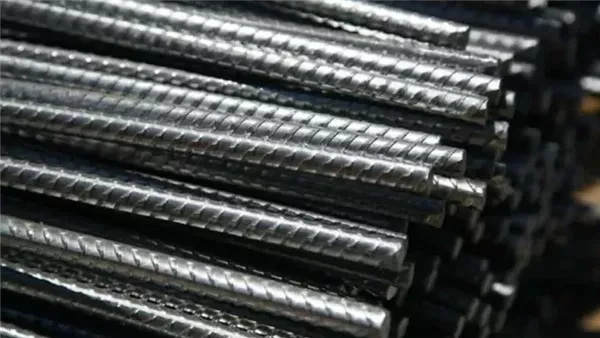
Iron plays a crucial role in Egypt's construction and building sector, serving as a fundamental component in residential, industrial, and infrastructure projects. Consequently, any fluctuations in iron prices directly impact construction costs and property prices. The metal is used in the implementation of housing, industrial, and major infrastructure projects such as roads, bridges, and public utilities.
The Egyptian market offers several types of iron to meet different needs, with investment iron being the most commonly used in construction projects. It is widely available from numerous companies, making it the preferred choice for both large and small projects. The availability and pricing of iron are critical for the construction sector.
The prices of iron are influenced by several key factors, including global prices of iron ore and billet, production and energy costs, currency exchange rates, demand from contracting companies and investors, and the local market supply. These factors contribute to the dynamics of the iron market in Egypt.
The iron industry significantly contributes to Egypt's national economy by providing direct and indirect job opportunities in production and construction. It also supports the implementation of national and urban projects, stimulates complementary industries such as cement and metal finishes, and directly affects the real estate sector and unit prices.
Key points
- The Egyptian iron market sees price fluctuations.
- Prices of different types of iron vary in the local market.
- Iron industry plays a crucial role in Egypt's economy.