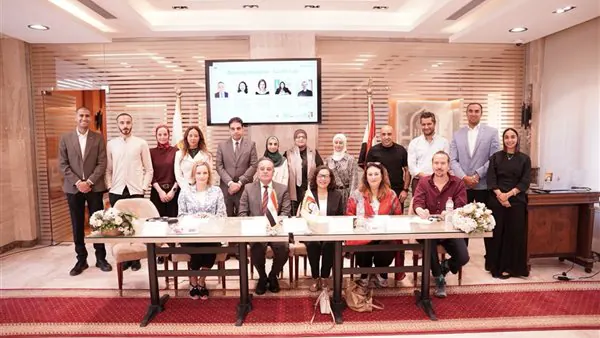
The Egyptian Housing Research Center has initiated a training program focused on active transportation and the design of cycling infrastructure. This program is a collaborative effort with the Dutch government's ACTIVE initiative, the Dutch Embassy in Cairo, and the United Nations Human Settlements Programme (UN-Habitat). The training aims to enhance the capabilities of specialists in planning and designing cycling networks, supporting sustainable development and improving the urban environment.
The training program's opening session featured several presentations emphasizing the importance of active transportation in achieving sustainable development. Dr. Tarek Bahaa, Deputy Chairman of the Housing Research Center, highlighted the significance of cooperation and knowledge sharing in supporting Egypt's sustainable development goals. He also discussed the center's role in developing codes, standards, and guidelines to improve the urban environment and quality of life.
The program's importance was further underscored by Rania Hedia, Regional Director of the Arab States Office at UN-Habitat. She stressed the need for active transportation and its role in creating healthier and more sustainable cities. The Dutch Ambassador to Egypt, represented by Eva Witteman, presented the Dutch experience in active transportation, emphasizing the value of knowledge exchange and cooperation.
The training program covers a range of topics, including the basics of planning and designing cycling infrastructure, from diagnosing current conditions and selecting routes to designing streets and intersections. Participants will engage in lectures and practical applications aimed at equipping them with the necessary skills and knowledge.
Key presentations during the program include an overview of the national strategy for youth and sports, with a focus on promoting physical activity and sports as part of daily life. The program also explores community-based initiatives, such as the "Drajatik Sihatek" (Your Bike, Your Health) campaign, which aims to change societal attitudes toward physical activity and active transportation.
The collaboration between the Housing Research Center and international partners reflects a shared commitment to sustainable urban development and improving the quality of life in Egyptian cities. By enhancing the capabilities of local specialists, the program contributes to the development of more efficient, healthy, and sustainable urban environments.
The training program is part of a broader effort to support Egypt's sustainable development goals and enhance the role of active transportation in urban planning. By promoting cycling and other forms of active transportation, the program aims to reduce reliance on motorized transportation, decrease congestion, and improve air quality in urban areas.
Key points
- The program aims to enhance the capabilities of specialists in planning and designing cycling networks.
- The training program is a collaborative effort with the Dutch government's ACTIVE initiative and UN-Habitat.
- The program supports Egypt's sustainable development goals and improves the urban environment.