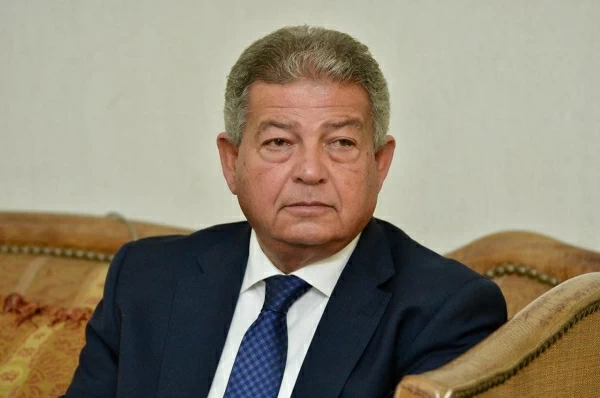
Egypt's Higher Media Council, led by Khaled Abdel Aziz, has approved recommendations to suspend the broadcast of 7 TV programs on two private channels, Al-Shams and Hay, effective immediately. The decision was made after monitoring several episodes of these programs, which were found to contravene media codes. The council's efforts aim to tackle the phenomenon of "selling air," or broadcasting low-quality content.
The suspended programs include "Al-Majhool," "Hikayat Majzoub," and "Al-Maktob" on Al-Shams, and "Sitat Al-Habayeb," "Matbakh Horya," "Alam Al-Abray," and "Sani Al-Qarar" on Hay. According to the council, these programs promoted superstitions, presented unverified historical and scientific claims, and blurred the line between editorial and advertising content. Furthermore, some programs advertised products without proper registration or licenses from the National Authority for Food Safety.
The Higher Media Council's move is part of its ongoing efforts to regulate media content in Egypt. The council had previously received data on these programs from the channels, which were categorized as "joint production programs." The council reviews and audits all such programs, and will take necessary actions against any that violate media codes.
The council's actions are guided by Law No. 180 of 2018 and relevant professional codes and standards. The law empowers the council to monitor and regulate media content, ensuring that it aligns with societal values and norms. The council's efforts aim to promote responsible media practices and protect audiences from harmful or misleading content.
The suspended programs will remain off the air until further notice. The council will continue to review and audit other joint production programs on private channels, taking action as needed. This move is seen as part of a broader effort to improve media standards in Egypt and promote a more informed public discourse.
The decision has been welcomed by some who see it as a necessary step to regulate the media landscape in Egypt. The council's actions demonstrate its commitment to enforcing media codes and promoting responsible broadcasting practices. The move is also seen as a way to protect audiences from low-quality or misleading content.
The Higher Media Council's efforts to regulate media content are ongoing. In addition to monitoring and suspending non-compliant programs, the council works with media outlets to promote best practices and provide guidance on media codes and standards. The council's goal is to promote a vibrant and responsible media sector that serves the public interest.
Key points
- The Higher Media Council has suspended 7 TV programs on two private channels for violating media codes.
- The suspended programs promoted superstitions, unverified claims, and blurred the line between editorial and advertising content.
- The council's actions aim to promote responsible media practices and protect audiences from harmful or misleading content.