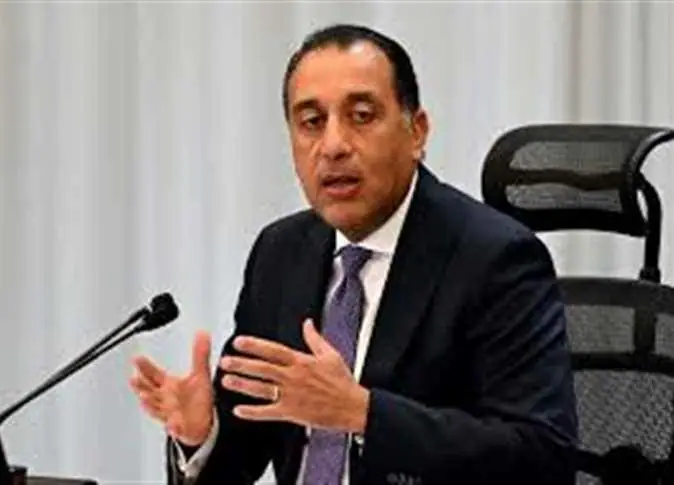
Egyptian Prime Minister Mostafa Madbouly chaired a meeting of the Central Crisis Management Committee on November 2, 2026, to discuss the country's preparations for potential escalations in the region. The meeting was attended by several ministers, including Finance Minister Ahmed Kujuk and Supply Minister Sharif Farouk. The committee reviewed the government's contingency plan to mitigate the impact of rising tensions on the domestic economy.
The government's plan includes increasing the strategic stockpile of essential goods to ensure a stable supply of vital products for citizens. The plan also involves rationalizing public spending and reducing energy consumption. Minister of Finance and Planning, Ahmed Rustom, and Minister of Finance, Ahmed Kujuk, presented a proposal to rationalize government spending and maximize the efficiency of public resource use.
The proposal aims to ensure the continuity of economic and productive activities while guaranteeing the availability of funds for essential goods and petroleum products. The government is working to address the challenges and negative repercussions of rapid developments on the regional and global scene. The meeting also discussed the executive progress of the initiative to reduce prices of basic goods.
The initiative, led by the Ministry of Supply, aims to provide essential goods at discounted prices through a network of outlets across the country. The list of goods currently includes 30 items, with discounts ranging from 15% to 25% compared to external market prices. The Ministry of Supply reported that there is a strategic reserve of various goods that is sufficient, on average, for six months.
Supply Minister Sharif Farouk stated that some goods have reserves exceeding this period. He also mentioned new contracts to increase the stockpile of various goods. The government is working to expand the geographical coverage of outlets selling discounted goods to meet citizens' needs nationwide.
The meeting was attended by several high-ranking officials, including the Governor of the Central Bank of Egypt, Hassan Abdullah, and the Minister of Electricity and Renewable Energy, Mahmoud Esmat. The government is taking a proactive approach to mitigate potential risks and ensure economic stability.
The economic contingency plan is part of the government's efforts to address the challenges posed by rising tensions in the region. The plan aims to ensure the availability of essential goods and maintain economic stability. The government will continue to monitor the situation and take necessary measures to protect the economy.
Key points
- The Egyptian government has adopted a plan to increase its strategic stockpile of essential goods and rationalize public spending.
- The plan aims to ensure the continuity of economic and productive activities while guaranteeing the availability of funds for essential goods and petroleum products.
- The government has a strategic reserve of various goods that is sufficient, on average, for six months.