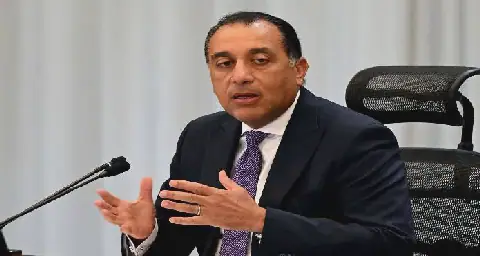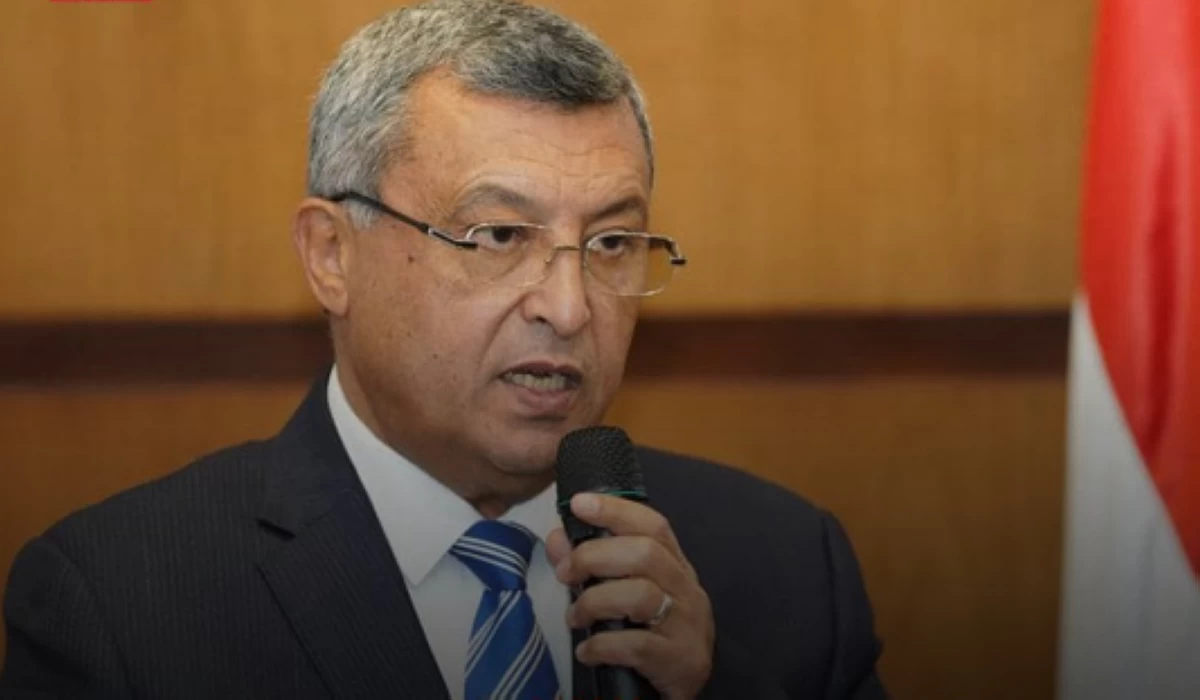
Egyptian Minister of Petroleum and Mineral Wealth, Osama Kamal, recently discussed the country's gold reserves and mining industry on a television program, "Al-Hakaya," broadcast on MBC Egypt. Kamal, who is also the head of the Senate's Energy Committee, revealed that Egypt has over 230 sites for gold extraction, with notable locations in the Eastern Desert, near the Sudanese border. The most prominent of these sites is the Sukari gold mine.
According to Kamal, 24 areas have been designated for gold exploration in Egypt, with extraction processes similar to those used for oil. He emphasized that gold mining requires extensive research, exploration, and excavation. Egypt's gold reserves have been a part of its cultural heritage for over 7,000 years, with ancient Egyptian artifacts and museum pieces showcasing the country's rich gold history.
The gold found in Egypt is primarily located in the southeastern part of the Eastern Desert, near the Sudanese border. Kamal noted that northern Sudan also has significant gold reserves, with some of it being smuggled out of the country at undervalued prices. The issue of random, uncontrolled mining has persisted, particularly after 2011, resulting in unregulated gold searches.
To address this issue, Egypt began to strengthen its control over gold extraction and activate a new working system in several areas in 2014. This included establishing specialized companies for gold exploration and extraction. Kamal highlighted that gold is found in various layers of the earth, requiring geological studies and organized operations.
Some random prospecting methods involve breaking rocks and sand that contain gold, with one ton of soil potentially holding 3-5 grams of gold. Kamal pointed out that the Egyptian government has prioritized the development of its mineral wealth, but the sector's current contribution to the country's economy remains limited, ranging from 0.5% to 0.7%.
Kamal believes that with proper development and utilization of available resources, the mining sector's contribution to Egypt's economy could increase to 6-7%. He emphasized the importance of organized and controlled mining practices to maximize the country's gold reserves and economic benefits.
The conversation took place in the context of recent events related to "Al-Dahab," with media personality Amr Adib questioning Kamal about Egypt's gold reserves. The discussion shed light on Egypt's gold mining industry, its history, and potential for growth and development.
Key points
- Egypt has over 230 sites for gold extraction, mostly in the Eastern Desert near the Sudanese border.
- The country's gold mining industry has significant potential for growth, with possible increases in economic contribution.
- Egypt's gold reserves have been a part of its cultural heritage for over 7,000 years.