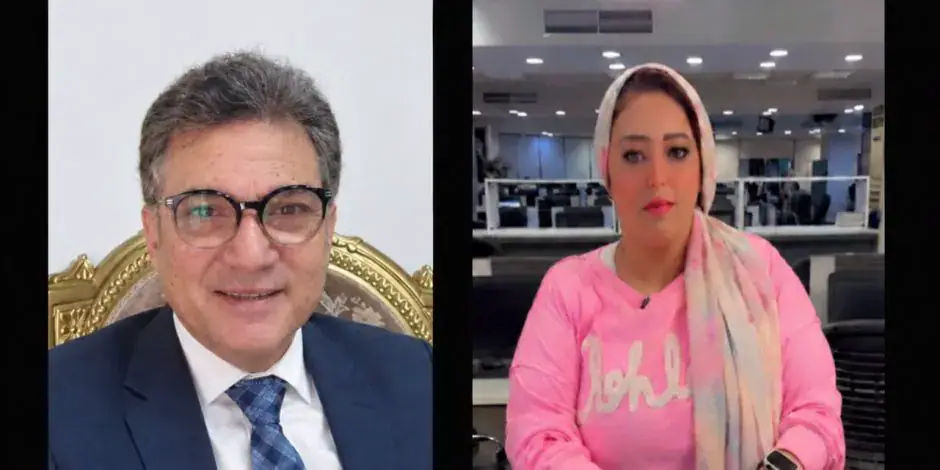
Dr. Hosam Mغازي, Egypt's former Minister of Water Resources and Irrigation, has emphasized that Egypt's water security cannot tolerate unilateral decisions. In an interview with Sawt Al-Umma, Dr. Mغازي discussed his experience managing the Ethiopian dam file during his tenure. He highlighted that Egypt's position is based on supporting development in African countries while ensuring that its own water interests are protected.
Dr. Mغازي noted that Egypt was not opposed to the construction of the dam but sought guarantees regarding its impact on the country's water resources. He stated that the signing of the Declaration of Principles in March 2015 was an important step, as it established a political framework for dealing with the dam. However, he emphasized that this was only the beginning, and more detailed discussions were needed to translate the principles into practical agreements.
The negotiations faced several challenges, including disagreements over the studies and data required to assess the dam's impact. Dr. Mغازي mentioned that an international French office was commissioned to conduct technical studies, but the process was hindered by disagreements between the parties. He stressed that any negotiation on a project of this magnitude requires genuine technical cooperation and a willingness to address concerns.
Dr. Mغازي discussed Egypt's insistence on reaching a legally binding agreement on the Ethiopian dam. He explained that the issue is not just about constructing a water facility but also about how it will be managed and its impact on other countries that rely on the Nile River. A binding agreement would establish clear rules for filling and operating the dam, as well as mechanisms for dealing with droughts and low water revenues.
The former minister criticized Ethiopia's unilateral actions in managing the Nile River, stating that they pose a threat to Egypt and Sudan's water interests. He emphasized that managing a shared river requires coordination and cooperation, not unilateral decisions that may harm other countries. Dr. Mغازي reiterated Egypt's commitment to supporting development in African countries, citing examples of cooperation, such as building the Julius Nyerere dam in Tanzania and the Wau dam in South Sudan.
Dr. Mغازي responded to Ethiopian claims that Egypt is obstructing development in Nile Basin countries, stating that this narrative does not reflect Egypt's position. He highlighted Egypt's participation in projects that benefit African countries and its commitment to cooperation and development in the region. He emphasized that Egypt's concerns regarding the Ethiopian dam are aimed at protecting its water interests, not hindering development.
The challenges surrounding the Ethiopian dam and the Nile River highlight the need for continued dialogue and cooperation between Egypt, Sudan, and Ethiopia. Dr. Mغازي's insights emphasize the importance of finding mutually beneficial solutions that balance the interests of all parties involved. As the situation continues to unfold, it remains to be seen how the negotiations will progress and what impact they will have on the region.
Key points
- Egypt's water security cannot tolerate unilateral decisions regarding the Ethiopian dam.
- A legally binding agreement is necessary to establish clear rules for filling and operating the dam.
- Egypt is committed to supporting development in African countries while protecting its own water interests.