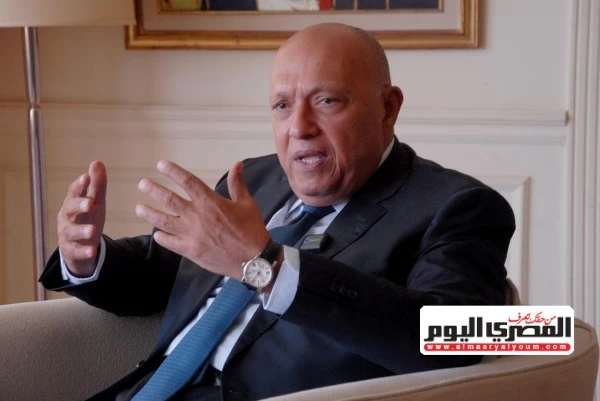
Former Egyptian Foreign Minister Samah Shukri has revealed that re-establishing Egypt's regional and international standing was a top priority for the country's foreign policy after 30 June 2013. In a television interview, Shukri stated that Egypt faced targeting and pressure from some external forces following the events of 30 June. He emphasized that Egypt's diplomatic efforts focused on clarifying the facts of the popular movement that took place in the country.
Shukri explained that the popular movement aimed to restore the state's identity and end a political system that failed to meet the aspirations of society and contribute to its progress. He noted that Egypt's foreign policy constants remained unchanged despite the rapid transformations in the region. These constants include achieving stability in the Middle East, protecting Egypt's national security, and preserving the country's sovereignty and interests.
According to Shukri, the escalation of conflicts and crises in the region had a direct impact on Egypt's internal situation, posing security challenges and economic burdens on the state. He pointed out that the repercussions of regional crises affected some of the gains and efforts made by Egypt over the past decade, particularly in infrastructure development and supporting economic growth.
Shukri highlighted that the external developments are closely linked to the challenges facing the state at the internal level. He emphasized that Egypt's diplomatic movements during that period focused on clarifying the truth about the popular movement and its goals. The former minister also noted that some external forces sought to exploit the situation to impose their influence on Egypt.
The events of 30 June 2013 marked a significant turning point in Egypt's modern history, with widespread protests leading to the ousting of President Mohamed Morsi. The period that followed was characterized by a complex and challenging regional environment, with ongoing conflicts and crises affecting Egypt's national security and economic stability.
Shukri's statements provide insight into the priorities and challenges of Egypt's foreign policy during a critical period in the country's recent history. His comments also underscore the complexities of navigating regional and international relations while addressing internal challenges and aspirations.
The former foreign minister's remarks highlight the need for Egypt to maintain its diplomatic efforts to protect its national interests and sovereignty. Egypt's foreign policy priorities continue to be shaped by its regional and international environment, as well as the country's internal dynamics and aspirations.
Key points
- Egypt's foreign policy priorities after 30 June 2013 included re-establishing the country's regional and international standing.
- The former foreign minister emphasized that Egypt's diplomatic efforts focused on clarifying the facts of the popular movement that took place in the country.
- Shukri noted that Egypt's foreign policy constants remained unchanged despite the rapid transformations in the region.