Egypt's Financial Supervisory Authority is set to apply Basel 3 standards to the non-banking sector starting January next year. This move aims to expand risk management in the sector to include market and operational risks, in addition to credit risks. The authority is currently working with companies to define new requirements and qualify them for application. Several companies have already begun trial implementation of the new requirements in preparation for the deadline.
The Financial Supervisory Authority is studying a package of regulatory and technological measures to develop the non-banking financial services market. These measures include expanding the use of artificial intelligence and data analysis, as well as creating a centralized anti-fraud system. This system will enable the exchange of information on fraud cases between different sectors. The authority also aims to develop regulatory and supervisory frameworks to monitor risks and negative practices in the market.
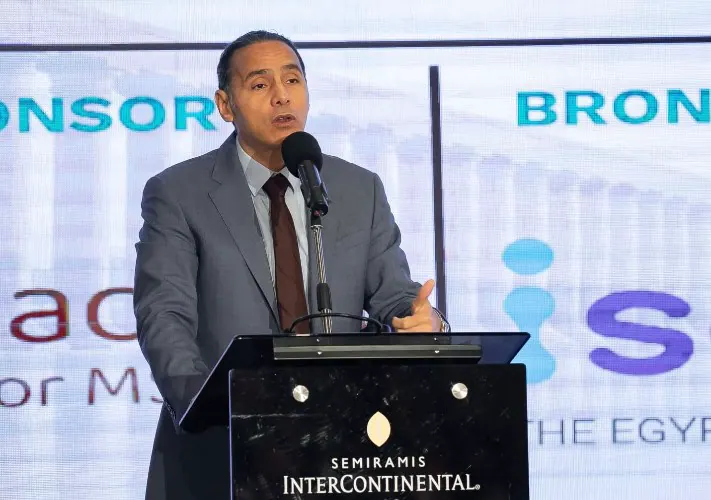
The authority's head, Dr. Islam Azzam, emphasized that customer protection is a key aspect of sector development. He highlighted the importance of clear information, data protection, and effective complaint and grievance mechanisms. Azzam also noted that measuring the real impact of financial services on customers' lives and economic activities is essential for achieving protection and empowerment for the most needy groups.
Dr. Azzam revealed that the authority is preparing to conduct a dialogue with companies and financing entities to review responsible pricing controls and equations. This review aims to determine if adjustments are needed. The authority has developed responsible financing rules based on credit inquiries, field analysis, and cash flow studies to limit multi-financing risks, default, and fraud.
The authority has made it mandatory for financing entities to use a one-time verification code (OTP) to ensure customers are aware of and agree to financing operations. This requirement, effective November 11, aims to enhance customer protection. Additionally, decision number 27 of 2026 mandates insurance coverage for microfinance customers.
The expansion of digital services offers opportunities to reach new customer segments but also poses cybersecurity and fraud challenges. Dr. Azzam emphasized the need for early warning indicators and enhanced customer protection tools. He noted that availability alone is insufficient for achieving financial inclusion without widespread awareness of available financial services and customer rights and obligations.
Indicators of financing activity for small and medium projects at the end of the second quarter of 2026 show that the value of microfinance portfolios reached approximately 74.4 billion pounds, compared to 64 billion pounds at the end of the second quarter of 2025, representing a 16% increase. Women make up about 52.8% of beneficiaries, with 1.8 million women receiving around 33.7 billion pounds in financing, accounting for 45.4% of total financing.
Key points
- The Egyptian Financial Supervisory Authority will apply Basel 3 standards to the non-banking sector starting January next year.
- The authority is studying measures to develop the non-banking financial services market, including expanding the use of artificial intelligence and data analysis.
- Customer protection is a key aspect of sector development, with a focus on clear information, data protection, and effective complaint mechanisms.